🚀 July 11 Update – Batch Edit, Re-Quote, Tiered Pricing & Notifications Are Here
Dear Valued Customer,
We've just released another major update with improvements across the Instant Quote, Cart, Checkout, Dashboard, and Order Management.
As we're continuously shipping new features, there may still be occasional bugs or unexpected issues. If you find anything that doesn't work as expected, please let us know—we truly appreciate your feedback and will fix it as quickly as possible.
🛠 Instant Quote
🏷 Material Tags added to help you choose the most suitable material. 📊 Tiered Pricing is now available. Instantly compare quantity discounts and select the best pricing option. ✏️ Batch Edit for multiple parts. Update configurations or delete multiple parts at once.
🛒 Cart
🔄 Re-Quote any part directly from your cart and continue editing before placing your order. 🛍 Mini Cart added to the header, allowing you to quickly view your cart from any page.
📦 Orders
♻️ Add to Quote and Add All to Quote are now available for existing orders. Reuse previous parts, make changes, and generate a new quote in just one click.
💳 Checkout
🌍 Customs & Shipping Options added.
Choose how you want customs declaration handled. Set your preferred Customs Value. Tell us your Expected Shipping Date.
🔔 Dashboard
🔔 Notifications keep you updated on order status and important activities. 📢 Announcements provide the latest ProtoTi news and product updates.
⚡ Performance & Improvements
We've also fixed and optimized numerous issues across:
Instant Quote
Checkout
Order Details
making the overall experience smoother and more reliable.
💬 Found a bug or have a feature request?
We're releasing new features rapidly, and your feedback helps us improve faster.
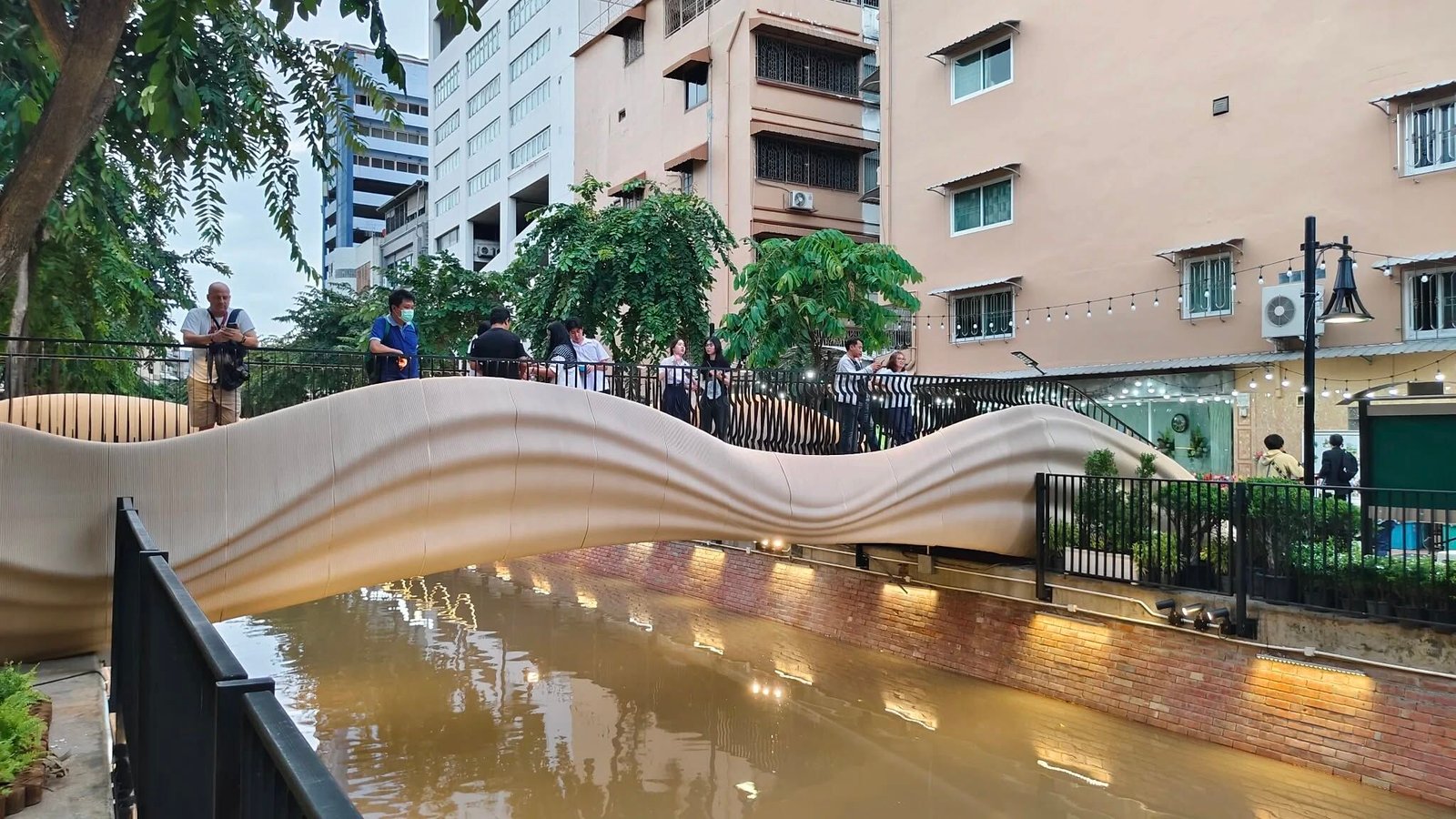
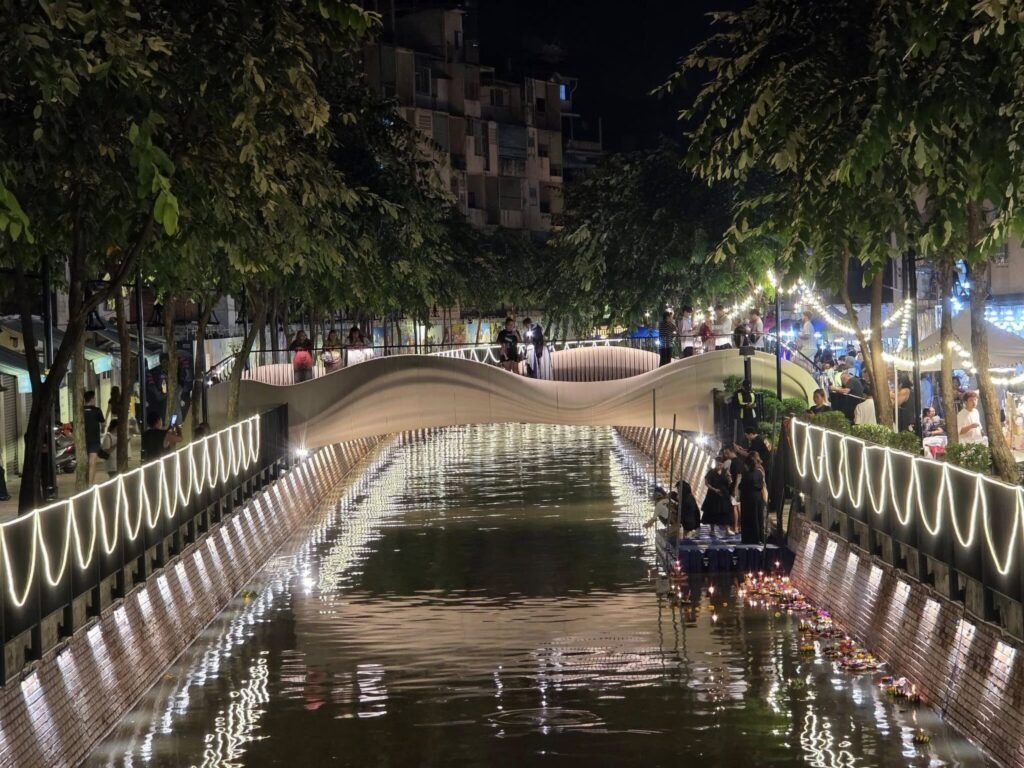
SCG’s new walkway reflects the canal’s layered history, featuring a design inspired by the movement of water. Its sweeping geometry and folded contours form a sculptural structure that stands out against the dense urban surroundings, while the flowing surfaces interact with light and shadow. A steel handrail incorporates motifs drawn from the traditional Thai Kranok pattern, subtly connecting the contemporary design to the area’s cultural heritage.
The structure’s components were fabricated with LC3, a low-carbon concrete blend that substitutes part of the cement with calcined clay to significantly reduce environmental impact. The choice of clay-based material also recalls Ong Ang’s former role as a hub for pottery and ceramics. Each printed module was strengthened with high-performance concrete, enabling the bridge to support live loads of up to 500 kilograms per square meter.
Given the narrow, hard-to-access site, SCG manufactured all parts off-site. The bridge was assembled from 19 prefabricated units, each weighing around 1.5 tons, and installed in a single day using a compact crane, minimizing disruption for local residents.
3D Printed Bridge Using LC3 Concrete. Photo via SGS.
Bridges and 3D Printing: Global Innovations in Concrete Infrastructure
SCG’s Ong Ang Canal bridge is part of a growing wave of experimental and sustainable 3D printed infrastructure around the world.
In Venice, Prof. Dr. Masoud Akbarzadeh of the University of Pennsylvania, in partnership with Swiss materials company Sika Group, has unveiled Diamanti, a 3D printed concrete bridge on display at the European Cultural Centre’s Time Space Existence exhibition from May to November 2025. Comprised of nine prefabricated segments printed with a robotic arm and a two-component cementitious mix, the bridge uses hollow and patterned geometries to reduce material use and embodied carbon. Its post-tensioned assembly with ungrouted steel cables avoids adhesives and grout, making the structure fully demountable and recyclable, while showcasing the potential of robotic printing to improve efficiency, adaptability, and sustainability in construction.
Similarly, Italy’s Polytechnic University of Bari has brought Leonardo da Vinci’s architectural vision into the modern era with its six-meter “Da Vinci’s Bridge” prototype. Led by Vincenzo Gurrado of the startup B&Y, the project uses a low-impact mortar made from waste stone powders and a lime-based binder, demonstrating how industrial byproducts can be repurposed for structural applications. Partnering with 3D printing specialist WASP, the team fabricated 13 modular blocks with a 3MT LDM Concrete printer and assembled them into a self-supporting arch using stereotomy techniques and temporary centering, eliminating the need for permanent formwork.