
International womens day png background_6002282

BJ Technology: The Metal 3D Printing That Says Goodbye to Supports

BJ (Binder Jetting) is becoming a popular choice for mass-producing metal parts, with its biggest highlight being: no support structures needed at all.

🌟Content in this article

Binder Jetting (BJ) is a rapidly growing additive manufacturing technology that is widely used for producing metal, sand, and ceramic parts. Unlike laser-based processes such as SLM, Binder Jetting does not use high-energy lasers to melt material. Instead, it uses a liquid binding agent to join powder particles together.

This unique approach makes Binder Jetting a cost-effective and scalable solution for both prototyping and mass production.

How Binder Jetting Works

The Binder Jetting process is based on selectively depositing a liquid binder onto a powder bed. The process typically involves the following steps:

Powder Spreading

A thin layer of metal or ceramic powder is spread evenly across the build platform

Binder Deposition

An industrial print head selectively deposits a liquid binder onto the powder, bonding particles together according to the part geometry.

Layer-by-Layer Printing

The process repeats layer by layer until the full part is formed, similar to other 3D printing technologies.

Curing and Depowdering

Once printing is complete, the “green part” is cured and removed from the powder bed.

Sintering

The part is then sintered in a furnace, where the binder is burned off and the metal particles fuse together, resulting in a dense solid component.

Advantages of Binder Jetting

Binder Jetting offers several key benefits:

  • No support structures required
  • High production speed
  • Lower cost compared to laser-based metal printing
  • Suitable for complex geometries

Because the surrounding powder supports the part, design freedom is significantly increased.Because the surrounding powder supports the part, design freedom is significantly increased.

Conclusion

Say goodbye to supports, enjoy design freedom, and achieve low-cost mass production – that’s the core appeal of BJ technology.

If your parts are complex, need to be made in large quantities, and you want to avoid the hassle of support removal, BJ is an excellent choice.

Have parts to make? Get free instant quote today.

Share the Post:

Related Posts

Knowledge Base
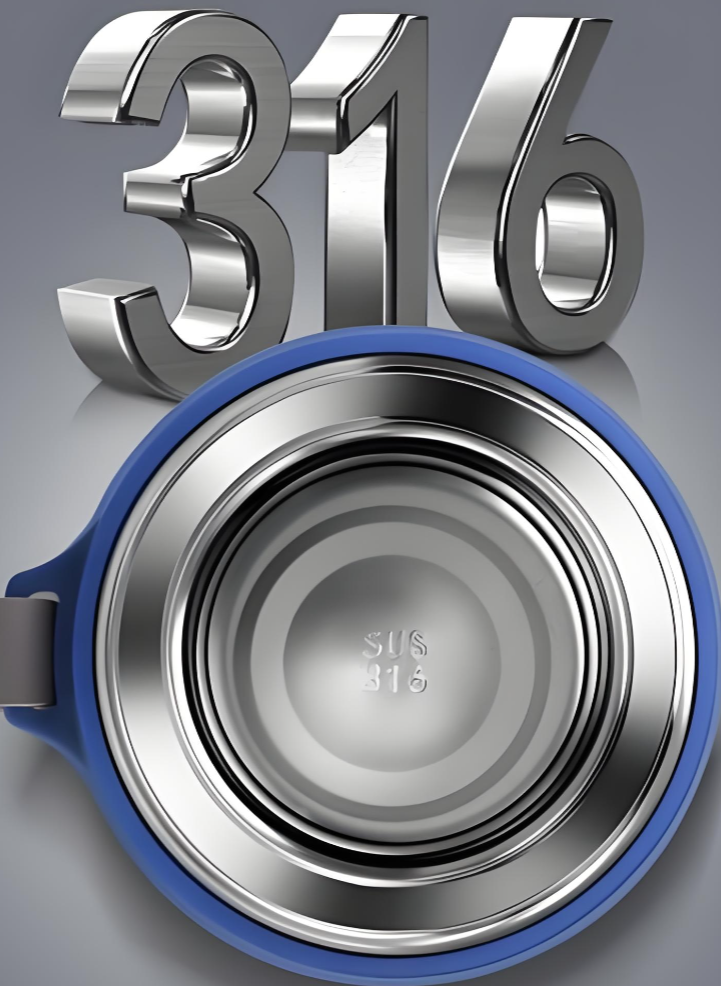
Ultimate Guide: In-depth Analysis of 316 Stainless Steel (Properties, Processing, and Application Trends)

In the grand narrative of modern industrial civilization, every minor advancement in materials science often leads to a significant leap in human productivity. Among various metal materials, stainless steel undoubtedly ranks as one of the most revolutionary inventions. It not only transformed the appearance of buildings, redefined safety standards in healthcare, but also became the cornerstone in key fields such as chemical engineering, marine, and energy. Within the vast family of stainless steel, 316 stainless steel (and its low-carbon variant 316L) is hailed as the “industrial gold” due to its outstanding comprehensive performance, and is the preferred material in highly corrosive environments.
Read More
Industry News
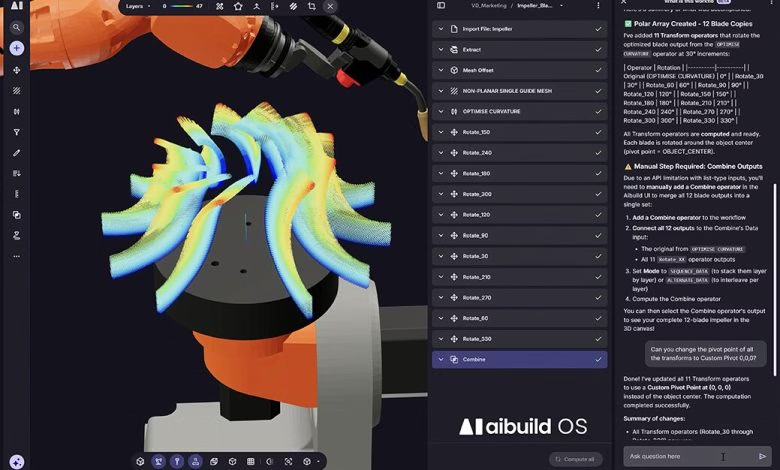
New Aibuild OS automates engineering lifecycle from CAD to CAM

UK-based AM software company Aibuild has introduced Aibuild OS, an advanced AI-based operating system that automates the engineering lifecycle, from CAD to CAM. The OS uses agentic AI to deliver a highly autonomous program that can operate independent of human supervision and help to increase productivity and efficiency for part production.

Read More

Join our newsletter to stay updated

Scroll to Top