Knowledge Base


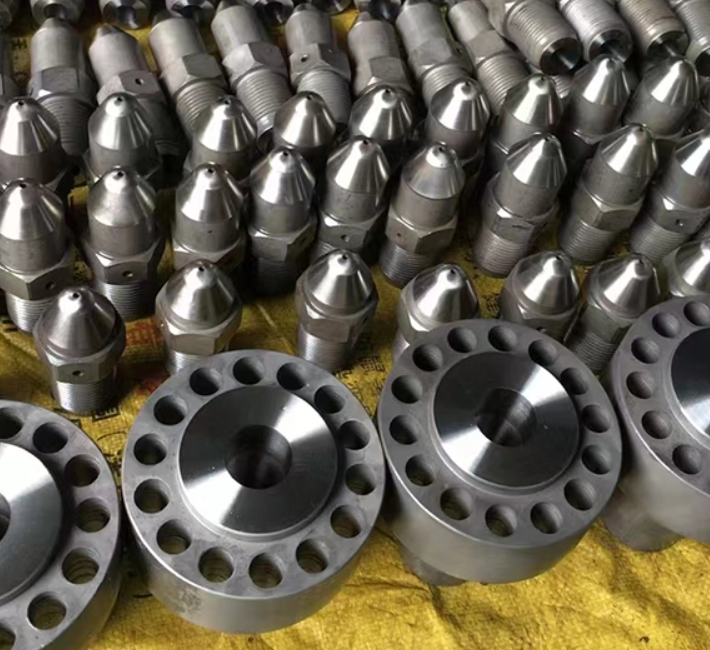
In modern mechanical industries, aerospace, automotive manufacturing and mold industries, the requirements for the surface performance of key components are becoming increasingly stringent. Many parts not only need sufficient strength and toughness in the core, but also require extremely high hardness, excellent wear resistance, outstanding corrosion resistance and fatigue resistance on the surface. For instance, the crankshaft of an engine, the cylinder liner, gears and lead screws in precise transmission, as well as molds under high load, often operate in complex alternating stresses, intense friction and corrosive environments.
However, the overall hardening of the material (such as quenching) although it can increase hardness, often comes with problems such as significant deformation, high brittleness, and limited improvement in corrosion resistance. Against this backdrop, nitriding treatment, as an efficient surface strengthening technology, stands out. It achieves this by infiltrating nitrogen atoms onto the metal surface, forming a hard, dense, and stable nitride layer on the surface, thereby endowing the parts with the characteristic of “combining hardness and flexibility” – that is, a hard surface perfectly combined with a strong and resilient core.
This article will guide you to delve deeply into the world of nitriding processing, covering from the basic principles to the practical details, and comprehensively analyzing how this technology enables mechanical parts to “wear a hard armor”.
Nitriding treatment, also known as nitriding, is a chemical heat treatment process in which the workpiece is placed in a medium containing nitrogen elements at a certain temperature (usually 500-600℃). Through the diffusion and penetration of nitrogen atoms into the surface of the workpiece, a special performance nitride layer is formed on its surface. Unlike conventional heat treatment processes such as quenching and tempering, nitriding treatment does not require the workpiece to be heated to high temperatures and then cooled rapidly. The workpiece undergoes minimal deformation, making it particularly suitable for the processing of mechanical components with high precision requirements.
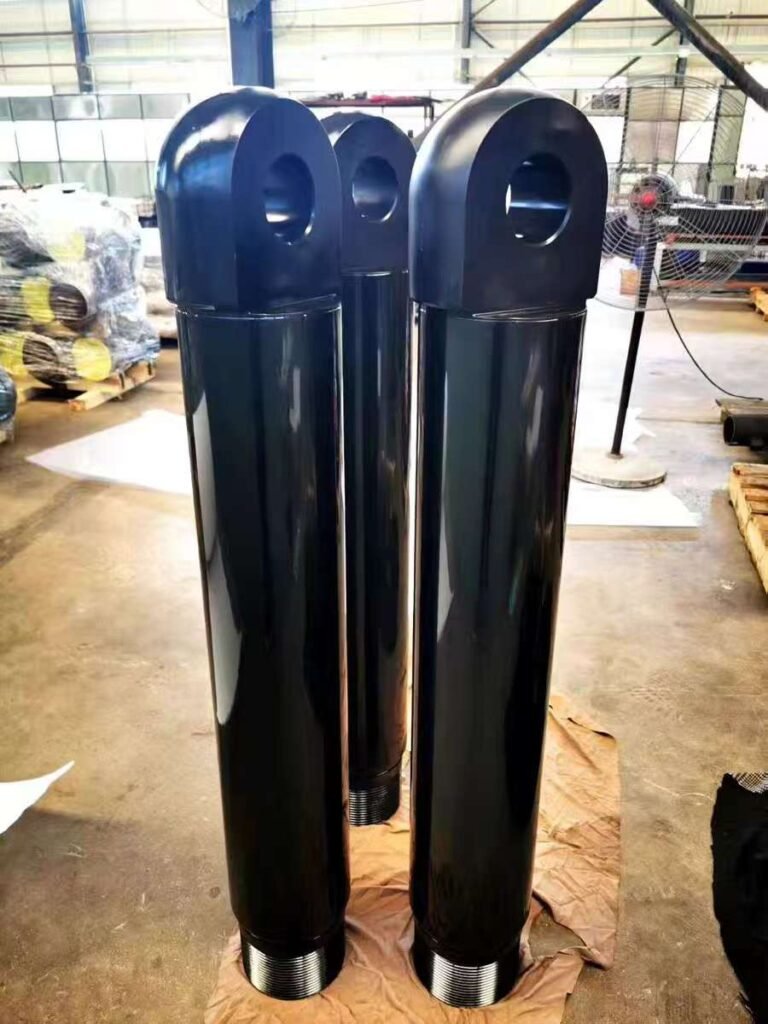
Nitriding treatment, also known as nitriding, is a chemical heat treatment process in which active nitrogen atoms are diffused into the surface of steel parts at a certain temperature (usually between 480°C and 580°C).
The basic process can be divided into three steps:
Decomposition: Nitrogen-containing substances (such as ammonia gas, nitrogen in plasma) decompose under specific conditions, generating active nitrogen atoms.
2NH₃ → 2[N] + 3H₂ (Gas Nitrogenation)
Absorption: Active nitrogen atoms are adsorbed onto the surface of the steel piece and dissolve into the ferrite (α-Fe), forming a solid solution with a higher nitrogen content.
Diffusion: The nitrogen atoms that are concentrated on the surface, driven by the concentration gradient, diffuse into the interior of the part and combine with the alloy elements in the steel (such as Cr, Mo, V, Al, etc.) to form fine and dispersed alloy nitrides (such as AlN, CrN, VN, etc.). These nitrides have extremely high hardness, thermal stability and chemical stability.
Ultimately, a two-part infiltration layer was formed on the surface of the part:
Compound layer (whiteness layer): The outermost layer, mainly composed of ε-Fe₂₋₃N and γ‘-Fe₄N, has a dense structure and extremely high hardness. It is the main contributor to wear resistance and corrosion resistance.
Diffusion layer: Below the compound layer, the solid solution of nitrogen in α-Fe and the dispersed nitrogen compounds. Its main function is to support the compound layer and significantly enhance the fatigue strength of the part.
The adoption of the nitriding treatment process in mechanical processing mainly benefits from the following several key advantages:
High surface hardness: After nitriding treatment, the surface hardness of the workpiece can reach HV800-1200, which is much higher than that of ordinary quenching treatment. This can effectively enhance the wear resistance and scratch resistance of the workpiece, and extend its service life.
Minimal workpiece deformation: The nitriding treatment is carried out at a lower temperature, and no phase transformation occurs during the process. Therefore, the dimensional accuracy and geometric shape of the workpiece can be well maintained. No extensive subsequent fine processing is required to meet the usage requirements, thereby reducing production costs.
Excellent corrosion resistance: The nitrides in the nitrided layer possess excellent chemical stability and can form a dense protective film on the surface of the workpiece, effectively resisting the erosion of corrosive media such as water, oil, acids, and alkalis. It is suitable for components used in harsh working environments.
Significant enhancement in fatigue strength: The infiltration of nitrogen atoms will generate compressive stress on the surface of the workpiece. This compressive stress can effectively inhibit the initiation and propagation of fatigue cracks, thereby increasing the fatigue strength of the workpiece by 30% to 50%. It is particularly suitable for components subjected to alternating loads, such as crankshafts and gears.
Good process compatibility: Nitriding treatment can be combined with other heat treatment processes (such as quenching and tempering treatment), further improving the comprehensive mechanical properties of the workpiece and meeting the usage requirements under different conditions.
Not all metal materials are suitable for nitriding treatment. The applicable materials mainly depend on whether the material contains alloy elements that can easily combine with nitrogen atoms to form nitrides, such as aluminum, chromium, molybdenum, vanadium, etc. Common materials suitable for nitriding treatment include:
Structural steel: Such as 38CrMoAlA, 40CrNiMoA, etc. These steels contain high levels of chromium, molybdenum, aluminum, etc. After nitriding, they have high surface hardness and excellent nitriding layer quality, making them the most widely used nitriding materials in mechanical processing.
Tool steel: such as high-speed steel and cold working die steel, through nitriding treatment, the wear resistance and service life of the tools can be enhanced, and the cutting life of the cutting tools can be prolonged.
Stainless Steel: Some types of stainless steel (such as martensitic stainless steel) can be treated with nitriding. After this process, they can maintain their corrosion resistance while increasing the surface hardness and wear resistance, thereby expanding their application scope.
Cast iron: Such as gray cast iron, ductile iron, etc. Nitriding treatment can enhance the wear resistance and corrosion resistance of cast iron, and is suitable for manufacturing components such as machine tool guides and cylinder liners.
It should be noted that low-carbon steel, due to its lack of sufficient alloying elements, has a poor nitriding effect and is generally not recommended for nitriding treatment.
Depending on the type of nitriding medium and processing method used, nitriding treatment can be broadly classified into the following categories:
This is the most traditional and widely used method of nitridation.
Process Flow:
Pre-treatment: Part cleaning, degreasing, and drying.
Loading into furnace: Place the parts into a sealed vertical or box-type nitriding furnace.
Exhausting and heating: Ammonia gas is introduced to expel the air from the furnace, and then the temperature is raised to the process temperature (500 – 530°C).
Heat preservation nitriding: Continuously introduce ammonia gas. By controlling the ammonia decomposition rate (usually 15% – 40%), the concentration of active nitrogen atoms in the furnace can be adjusted. The process is carried out for several hours at a constant temperature.
Cooling and Outgoing: After nitriding is completed, the furnace is cooled to below 200°C and then the parts are taken out for air cooling. To prevent oxidation, ammonia gas or inert gas should be continuously supplied for protection during the cooling process.
Advantages: Mature technology, stable quality, suitable for large-scale production of deep-sunken parts, and relatively low cost.
Disadvantages: The process takes a long time (up to several tens or even hundreds of hours), the ammonia decomposition rate needs to be strictly controlled, there is environmental pressure (ammonia is irritating, flammable and explosive), and it is prone to form brittle compound layers.
Application: Large crankshafts, machine tool spindles, gears, etc.
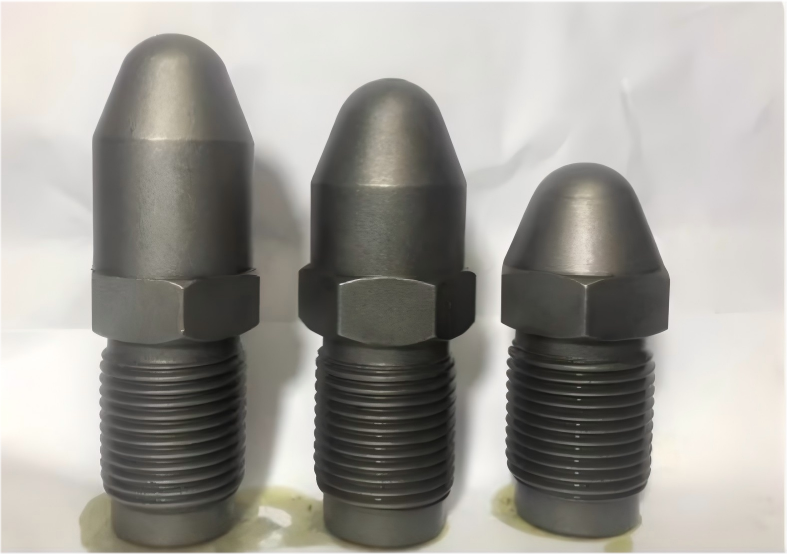
A modern and efficient nitridation technology is carried out in a vacuum environment using plasma discharge.
Process Flow:
Pre-treatment: Thorough cleaning to ensure no oil residue on the surface.
Furnace charging and vacuuming: Place the part as the cathode into the vacuum furnace and evacuate to a high vacuum level.
Spark generation and sputtering: A small amount of nitrogen and hydrogen gas mixture is introduced, and a direct current voltage (hundreds of volts) is applied to generate a spark discharge. High-energy ions bombard the surface of the part, achieving cleaning and activation effects.
Thermal nitriding: By increasing the voltage and gas pressure, ion bombardment causes the part to heat up to the process temperature (450 – 580°C). Nitrogen ions acquire energy in the anode area and directly penetrate the surface.
Cooling process: After the treatment is completed, turn off the power and allow it to cool in a vacuum or under a protective atmosphere.
Advantages:
High speed: The nitriding speed is 1/3 to 1/2 faster than gas nitriding.
High quality: By controlling the gas composition (N₂/H₂ ratio), it is possible to precisely control and even eliminate the brittle compound layer (white bright layer), resulting in a more ductile infiltration layer.
Energy conservation and environmental protection: Low gas consumption, pollution-free.
Less deformation: The heating is uniform and the deformation control is extremely good.
Suitable for processing stainless steel: Ion sputtering can effectively remove the passivation film on the surface of stainless steel, enabling direct nitriding.
Disadvantages: The equipment investment is high. The control of temperature uniformity inside the furnace is a challenge, and the requirements for loading the furnace are also high.
Application: Precision gears, lead screws, molds, stainless steel parts, etc.
It is carried out in molten salts containing cyanate (such as NaCNO, KCNO).
Process flow: After the parts undergo pre-treatment, they are immersed in a nitric acid salt bath at 430 – 580°C. After a certain period of time of heating, they are taken out and quickly cooled with water or oil.
Advantages: Fast heating speed, rapid penetration rate, short time, simple equipment, low investment.
Disadvantages: The salt bath contains cyanide ions (CN⁻), which are highly toxic. The cost of environmental treatment is high, and the disposal of waste salt is difficult. It is gradually being replaced by other environmentally friendly processes. Currently, an environmentally friendly QPQ (Quench-Polish-Quench) technology has been developed, which combines nitriding and oxidation. This technology achieves high performance while solving some environmental issues and significantly improves corrosion resistance.
Application: Structural steel, cast iron standard parts, tools, etc.
High-frequency induction heating nitriding: This process uses an induced current to rapidly heat the surface of the part and perform nitriding. It is highly efficient, but the equipment is complex and is suitable for parts with simple shapes.
Laser nitriding: By using a laser beam to scan the surface of the part surrounded by nitrogen gas, local rapid nitriding is achieved with high precision. However, it is costly and is mainly used for local strengthening of high-value parts.
To obtain a stable and high-quality nitrided layer, the following parameters need to be strictly controlled:
Nitriding temperature
The higher the temperature, the faster the infiltration rate. However, if the temperature is too high, it may affect the structure of the white bright layer or cause excessive brittleness.
Insulation time
The thickness of the infiltration layer is determined; the longer the time, the deeper the infiltration layer.
Nitrogen potential (Gas potential)
Control the thickness of the nitrided compound layer and the diffusion rate of nitrogen.
Workpiece material
The content of alloying elements in different types of steel affects the nitriding ability.
Surface condition
Excessive roughness or presence of oil stains will reduce the penetration effect.
To make a better choice of process, we compare it with several common surface treatments:
| Process | Temperature | Hardness | Case Depth | Deformation | Cost | Features |
|---|---|---|---|---|---|---|
| Nitriding | 500–600℃ | High | Medium | Very small | Medium | Good wear and corrosion resistance |
| Carburizing | Above 900℃ | Very high | Deep | Large | Medium | High strength but large deformation |
| Induction Hardening | Automatic | Medium–High | Shallow | Medium | Low | Suitable for localized hardening |
| QPQ (Salt Bath Nitriding) | 570℃ | High | Medium | Small | Medium–High | Excellent corrosion resistance |
Conclusion: Nitriding treatment offers significant advantages in terms of low deformation, high fatigue strength, and high hardness, making it particularly suitable for processing precision, complex parts that are subjected to alternating loads.
Automobile engine: crankshaft, camshaft, valves, cylinder liners, etc. Through nitriding, the wear resistance and fatigue life are improved.
Machine tool industry: Spindles, lead screws, worm gears, boring bars, etc., ensuring wear resistance and dimensional stability under high precision requirements.
Plastics and die-casting molds: Nitriding the surface of the mold cavity can significantly enhance the anti-wear, corrosion resistance (against plastic decomposition gas) and heat fatigue resistance properties, thereby extending the service life of the mold by several times.
Aerospace: Landing gear components, aviation gears, actuators, etc., ensure weight reduction while meeting extremely high reliability and lifespan requirements.
Tools and cutting tools: High-speed steel drill bits and milling cutters, after being ion nitrided, can significantly enhance their wear resistance and service life.
The mechanical processing nitriding treatment process, as an important surface strengthening technology, plays an irreplaceable role in enhancing the performance of workpieces, extending their service life, and reducing production costs. This article comprehensively analyzes the basic understanding of nitriding treatment, its types, key process control aspects, common problem solutions, and application cases, hoping to provide useful references for relevant practitioners.
With the continuous development of the manufacturing industry, the nitriding treatment process will also undergo continuous innovation and improvement. In the future, it will develop in the direction of intelligence, environmental protection, and complexity, providing strong support for the high-quality development of the mechanical processing industry. In actual production, the nitriding treatment process should be reasonably selected based on the material, performance requirements and production conditions of the workpiece, and the process parameters should be strictly controlled to ensure the acquisition of high-quality nitriding layers, meeting the usage requirements under different conditions.

Start your project today. Get free DFM from professional engineer at ProtoTi.

Why Choose SLS 3D Pr
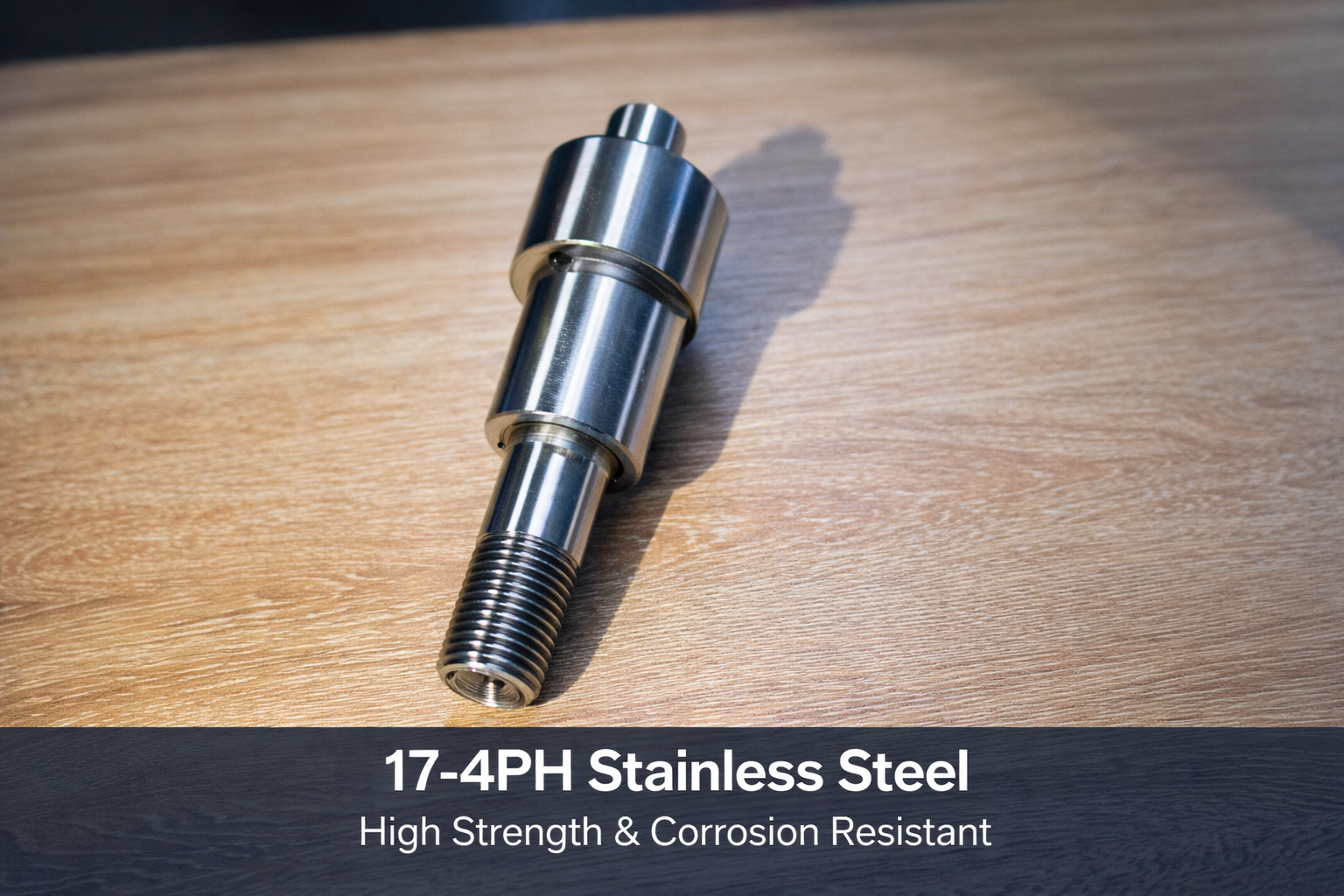
In today’s industrial manufacturing sector, the selection of materials directly determines the performance, lifespan, and cost-effectiveness of the final product. Among numerous high-performance metal materials, 17-4 Stainless Steel (also known as 17-4 PH) has become one of the preferred materials for the aerospace, medical device, petrochemical, and high-end mechanical manufacturing industries due to its unique precipitation hardening characteristics. As a martensitic precipitation hardening stainless steel, 17-4 not only possesses the inherent corrosion resistance of stainless steel but also achieves extremely high strength and hardness through heat treatment. This dual advantage allows it to maintain excellent stability even in extreme environments.
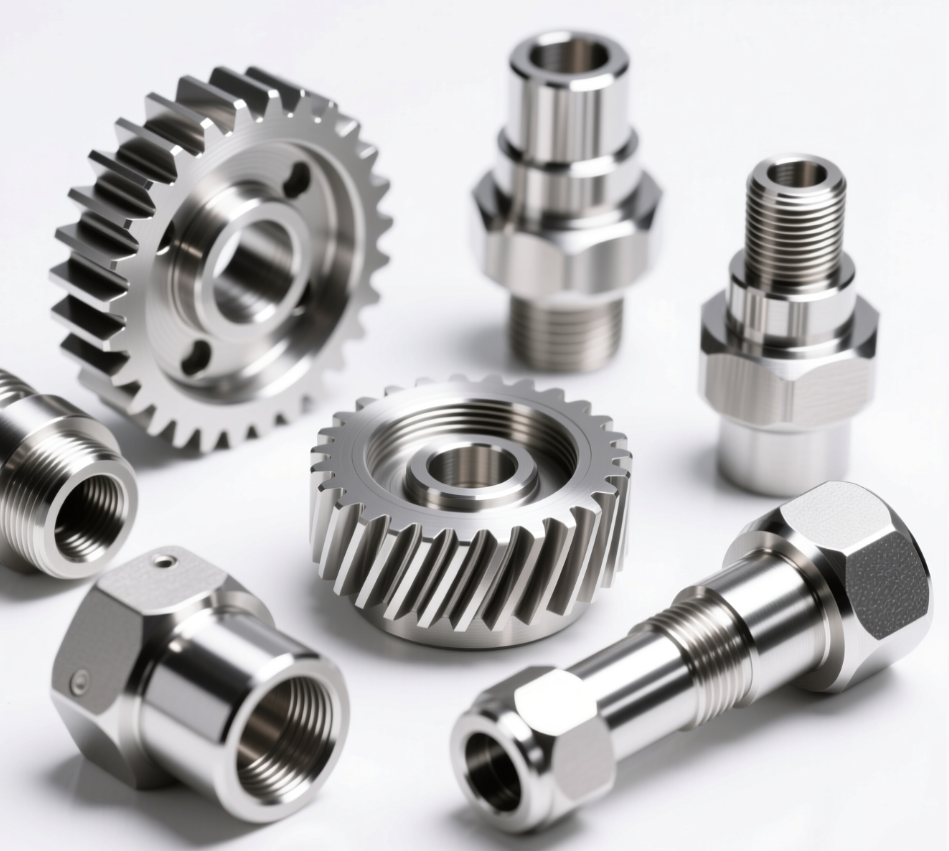
In the chain of high-end manufacturing, CNC (Computer Numerical Control) machining is responsible for giving parts their geometric shapes and dimensional accuracy, while surface treatment determines the lifespan, functionality and reliability of the parts. Among various surface treatment processes, nickel plating has become one of the most commonly used post-processing techniques for CNC machined components due to its unique comprehensive properties – combining corrosion resistance, wear resistance, lubricity and excellent appearance.
Whether it is the precision valve bodies in the aerospace field, the aluminum alloy casings in consumer electronics, or the transmission components in the automotive industry, nickel plating plays an indispensable role.