
chinese_new_year_PNG87

🚀Stereolithography Advancements: Redefining Precision Manufacturing in the 3D Printing Era

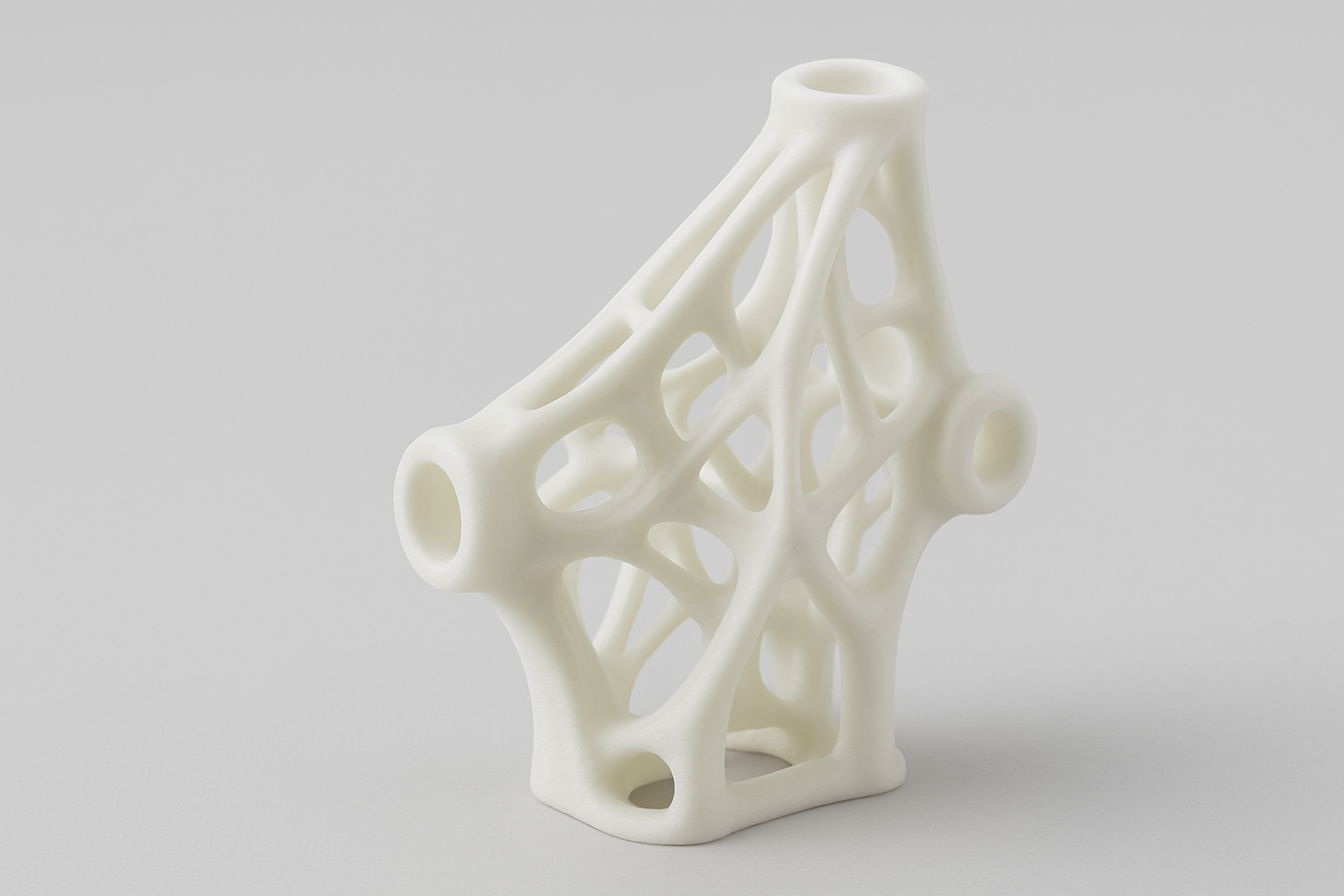
SLA uses ultraviolet (UV) lasers to cure photopolymer resins layer by layer, creating parts with micrometer-level accuracy and exceptional surface finish. What once was only a prototyping method has now become a production-ready solution for industries demanding speed, detail, and reliability.

Why SLA Matters for Your Business

  • Unmatched Precision – Achieve sub-50μm detail for even the most complex geometries.
  • Diverse Material Options – From biocompatible resins to engineering-grade polymers.
  • Rapid Results – Functional prototypes and end-use components in days, not weeks.
  • Sustainable Innovation – Advancing with bio-based and recyclable resin options.

Already transforming aerospace, healthcare, and automotive industries, SLA empowers companies to move faster from idea to production. With the global SLA market expected to grow at 14.2% CAGR through 2028, now is the time to embrace this next-generation technology.

👉Act immediately and collaborate with ProtoTi to convert accuracy into your competitive edge.

Have parts to make? Get free instant quote today.

Share the Post:

Related Posts

Knowledge Base
Stainless Steel 304: Comprehensive Analysis of Performance, Applications, and Selection Guide

Step into a modern kitchen, open a refrigerator, walk into an office building elevator, or observe medical equipment—in these seemingly different scenarios, one material silently underpins our lives: Stainless Steel 304. As the most common and widely used grade of austenitic stainless steel, SS304 has become an “invisible champion” in industrial manufacturing and daily life, thanks to its excellent corrosion resistance, good formability, and outstanding hygienic properties.
Since stainless steel was invented in the early 20th century, 304 stainless steel has evolved into the world’s most popular stainless steel variety, accounting for approximately 50% of the stainless steel market share. From aerospace to food processing, from architectural decoration to medical devices, this alloy occupies an irreplaceable position in modern materials science due to its unique combination of properties. This article will provide a comprehensive analysis of the chemical composition, mechanical properties, application fields, processing techniques, and selection guidelines for 304 stainless steel, offering a thorough reference for engineers, designers, purchasers, and general consumers.

Read More

Join our newsletter to stay updated

Scroll to Top