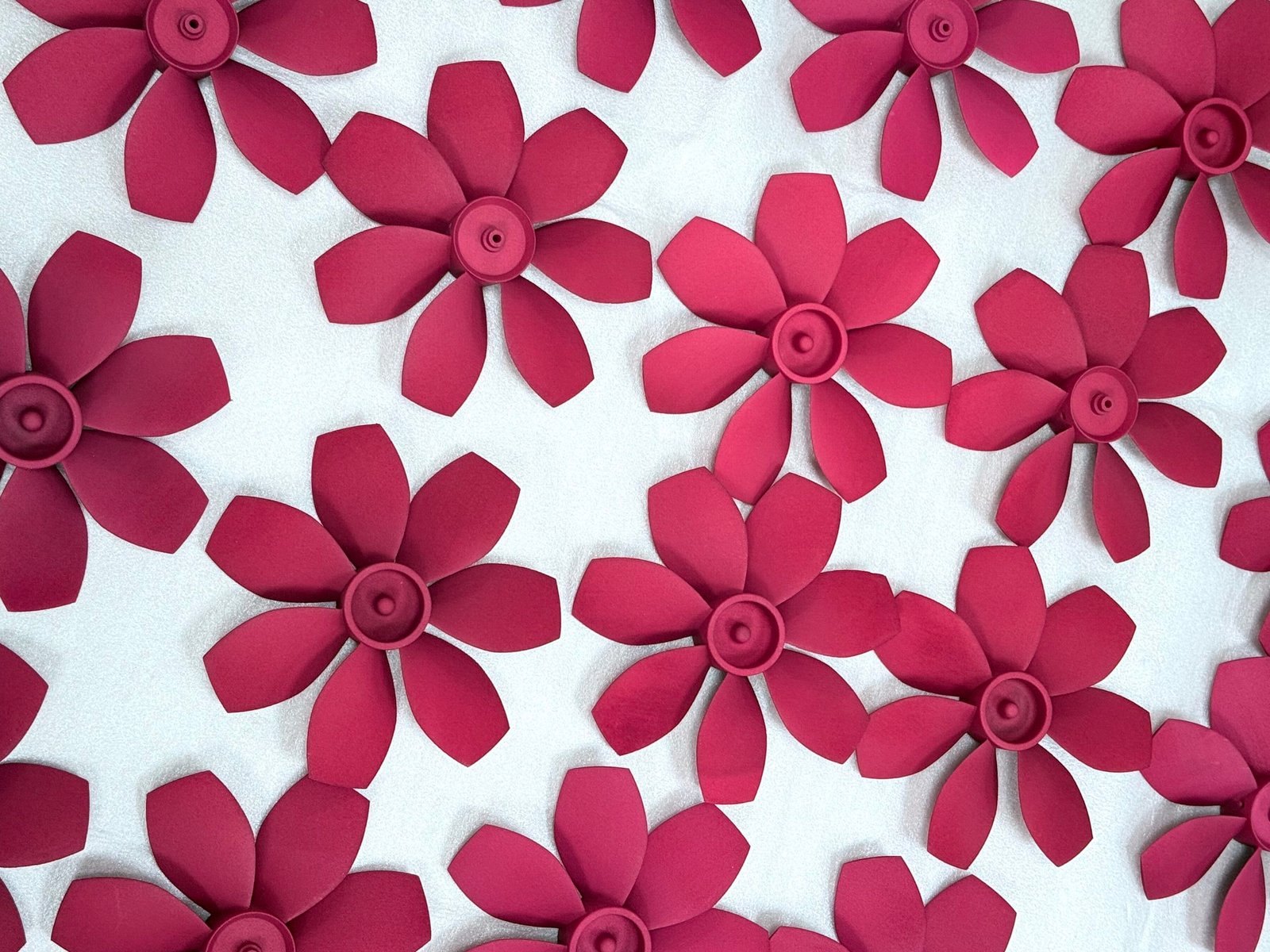

SLA (Stereolithography) is a 3D printing technology that uses a UV laser to cure liquid photopolymer resin layer by layer, thereby creating three-dimensional objects. As one of the earliest developed additive manufacturing processes, SLA is well known for its high precision and excellent surface finish.
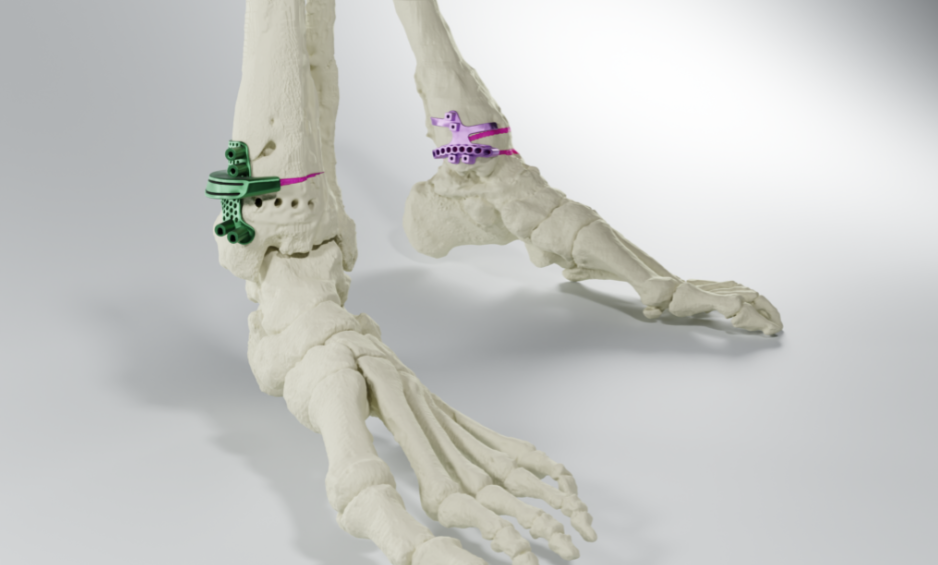
In today’s 3D printing industry, SLA is widely used for high-detail prototyping, medical models, and aesthetic verification applications.
Working Principle of SLA 3D Printing
The core principle of SLA is photopolymerization. The basic process is as follows:
- Fill the resin tank with liquid photopolymer resin
- A UV laser scans each layer according to the sliced model data
- The exposed resin undergoes a curing reaction
- The build platform moves layer by layer
- The process repeats until the part is fully printed
The entire process builds up complex structures through layer-by-layer fabrication.
Key Advantages
- High precision for fine details
- Smooth surface quality
- Suitable for complex geometries
- No tooling required, ideal for rapid prototyping
Limitations
- Materials can be relatively brittle
- Requires support structures
- Post-processing needed (cleaning & curing)
SLA Design Considerations
To achieve the best printing results, it is recommended to consider the following factors during the design stage:
- Minimum wall thickness ≥ 0.5 mm
- Avoid large unsupported overhangs
- Add proper drainage holes (for hollow structures)
- Optimize part orientation to reduce support structures
Conclusion
SLA 3D printing is a manufacturing process known for its high precision and excellent surface quality, making it especially suitable for applications with demanding requirements for detail and appearance.