🏮 Holiday Notice – Mid-Autumn Festival & National Day
Dear Valued Customer,
As China's Mid-Autumn Festival (September 25–27) and National Day Holiday (October 1–7) are approaching, our production and logistics operations will be affected during this period. 🏮✨
📦 Orders Placed by September 30
😊 Priority Handling Orders placed on or before September 30 will be given priority.
🚚 Production & Shipping Arrangement We will do our best to arrange production before the holiday and ship your orders as soon as possible after the holiday.
⏰ Orders Placed During October 1–7
🕒 Additional Lead Time Orders placed between October 1 and October 7 may experience an additional lead time of approximately 8–10 days due to the holiday schedule.
🚀 Planning an Upcoming Project?
📅 Order in Advance If you have an upcoming project, deadline, or time-sensitive order, we recommend placing your order in advance to help avoid potential delays.
💛 Thank You for Your Understanding
Thank you very much for your understanding, patience, and continued support. We truly appreciate your trust in us and will continue doing our best to provide you with reliable service.
🌕Wishing you all a smooth and successful work schedule, and good health and happiness to you and your family!
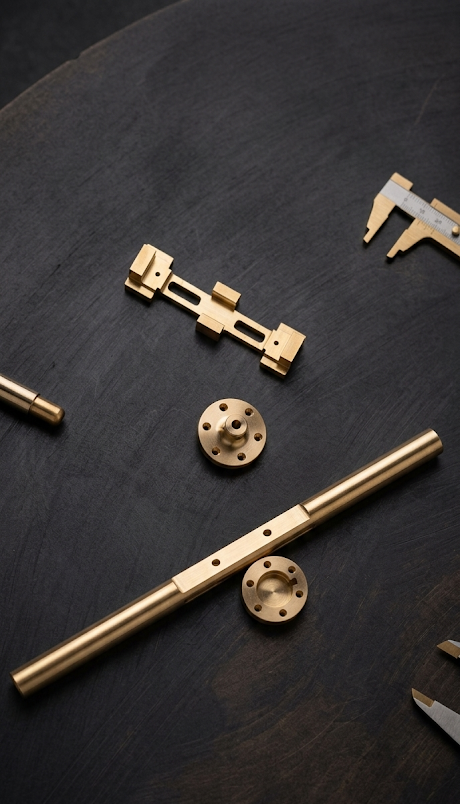
H59 brass is a typical binary alloy, categorized under common brass. It is one of the most common and cost-effective brass varieties in industrial applications. The “59” in its name represents an average copper content of approximately 59%, with the remainder being primarily zinc. This specific ratio strikes a delicate balance between strength and plasticity, making it a preferred material for manufacturing various mechanical components. In modern manufacturing, H59 is not just a material but a solution that balances economic efficiency with mechanical performance.
From a historical development perspective, the use of brass materials can be traced back to ancient civilizations, but H59 brass in the modern sense was gradually standardized after the Industrial Revolution with advances in metallurgical technology. In the early 20th century, with the vigorous development of the electrical industry and machinery manufacturing, the demand for copper alloys with stable performance and moderate costs increased dramatically, and H59 brass emerged precisely in this context. After more than a century of development and optimization, the preparation process of H59 brass has become increasingly mature, and its application fields continue to expand, making it an indispensable and important member of the global non-ferrous metal material system.
Chemical Composition and Microstructure
The chemical composition of H59 brass is the fundamental determinant of its properties. According to the provisions of national standard GB/T 5231-2012, the copper content of H59 brass should be 57.0% to 60.0%, zinc content is the remainder, lead content does not exceed 0.5%, iron content does not exceed 0.3%, antimony content does not exceed 0.01%, bismuth content does not exceed 0.003%, and the total impurity content does not exceed 1.0%. These strict element content limits ensure that H59 brass has stable and reliable engineering properties. Copper provides good electrical conductivity, thermal conductivity, and corrosion resistance, while zinc enhances the strength and hardness of the material while improving casting performance.
In terms of microstructure, H59 brass exhibits a typical α+β dual-phase structure. When the copper content is between 56% and 62%, the alloy at room temperature consists of both α solid solution and β solid solution. The α phase is a solid solution of zinc dissolved in copper, with a face-centered cubic lattice, good plasticity, and relatively low strength; the β phase is a solid solution based on the electron compound CuZn, with a body-centered cubic lattice, high hardness, and greater brittleness. This α+β dual-phase structure gives H59 brass both good plasticity and relatively high strength, achieving an optimized balance of properties. The presence of the β phase also significantly improves the hot working performance of the alloy, making H59 brass suitable for hot extrusion, hot forging, and other hot forming processes.
Grain size and phase distribution have significant effects on the mechanical properties of H59 brass. Fine equiaxed grains generally improve the strength and toughness of the material, while coarse grains may lead to performance degradation. During the production process of H59 brass, grain size and phase proportion can be effectively regulated by controlling casting temperature, cooling rate, and subsequent heat treatment processes. Appropriate annealing treatment can eliminate work hardening and restore the plasticity of the material; reasonable aging treatment can promote the precipitation of strengthening phases and improve material strength. These microstructure control technologies are key to realizing the performance potential of H59 brass.
Physical and Mechanical Properties
H59 brass is renowned for its high strength and hardness. Its tensile strength typically ranges between 340-450 MPa, with an elongation of approximately 15%-20%. Due to its higher zinc content, its electrical and thermal conductivity, while lower than pure copper, remain excellent among structural materials. Furthermore, it exhibits good wear resistance and basic corrosion resistance.
Property
Value
Density
8.4 g/cm^3
Melting Point
855-900 °C
Thermal Conductivity
105W/(m·k)
Thermal conductivity is a key parameter for evaluating a material’s heat transfer capability. The thermal conductivity of H59 brass is approximately 120 W/m·K, about 30% of pure copper’s thermal conductivity (401 W/m·K). Despite this, H59 brass is still widely used in heat exchangers because its good processability allows the manufacture of complex fin structures that compensate for the material’s inherent thermal conductivity limitations by increasing heat transfer surface area. Regarding thermal expansion coefficient, the linear expansion coefficient of H59 brass is approximately 19.5×10⁻⁶ per Kelvin, which is at a medium level among metallic materials and differs from steel materials, so thermal stress issues must be considered when designing steel-copper composite structures.
The melting range is an important parameter for hot working and casting processes of H59 brass. H59 brass does not have a fixed melting point but gradually melts over a temperature range, with its solidus temperature approximately 890°C and liquidus temperature approximately 905°C. This relatively narrow melting range (approximately 15°C) is beneficial for obtaining dense casting structures. Regarding specific heat capacity, H59 brass has a specific heat capacity of approximately 0.38 kJ/(kg·K), meaning that heating a given mass of H59 brass requires about 1.5 times the heat needed for steel, a characteristic that must be fully considered in heat treatment process design. The temperature coefficient of electrical resistance is approximately 0.0015/°C, indicating that its resistance increases with temperature, a property that can be utilized in temperature sensing applications.
Production Processes of Brass H59
The production processes of Brass H59 mainly include casting and forging methods. Casting is suitable for mass production, especially when complex-shaped parts are required, as it allows for efficient and precise manufacturing. On the other hand, forging is used for parts that require high strength and durability, such as mechanical components and tools. These two processes ensure that Brass H59 meets the strict performance and dimensional requirements of various industries.
Advantages of Brass H59
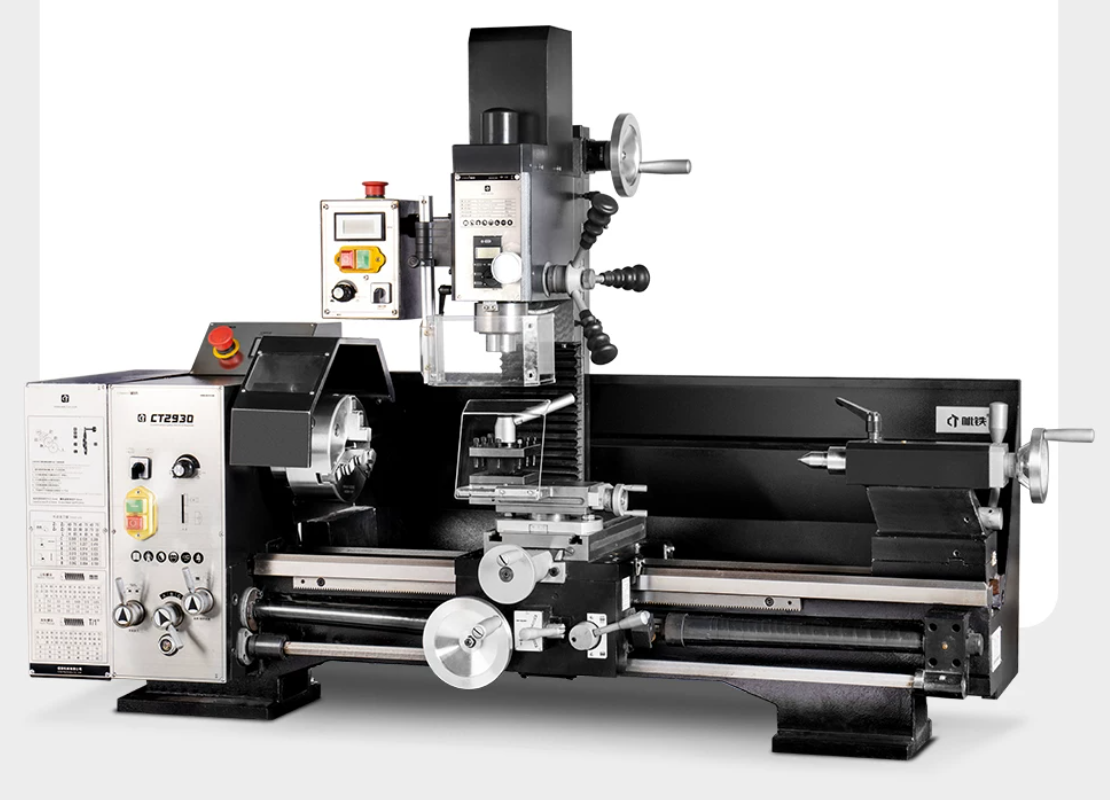
Brass H59 has many advantages. First, it offers excellent mechanical properties. Brass H59 has high strength and hardness, allowing it to maintain a long service life under high pressure and wear. Furthermore, Brass H59 has outstanding corrosion resistance, effectively resisting corrosion from acids, alkalis, and seawater in harsh environments. Lastly, Brass H59 also boasts excellent machinability, allowing it to be finely processed using various methods to meet the needs of different industries.
Corrosion Resistance and Environmental Adaptability
The corrosion resistance of H59 brass is one of the important reasons for its wide application. In atmospheric environments, a dense oxide film naturally forms on the surface of H59 brass, which effectively prevents further oxidation of the internal metal, thus providing good atmospheric corrosion resistance. In industrial atmospheric environments, the annual corrosion rate of H59 brass is approximately 0.005-0.015 mm; in marine atmospheric environments, due to the presence of chloride ions, the corrosion rate is slightly higher, approximately 0.01-0.03 mm/year; in rural atmospheric environments, the corrosion rate is lowest, approximately 0.002-0.008 mm/year. This corrosion resistance makes H59 brass an ideal material for outdoor decoration, architectural hardware, and other fields.
Corrosion resistance in water environments depends on water quality conditions. H59 brass has a very low corrosion rate in fresh water, approximately 0.002-0.005 mm/year, making it suitable for manufacturing plumbing fittings, valves, faucets, and similar products. Corrosion behavior in seawater is more complex; besides uniform corrosion, dezincification corrosion and stress corrosion cracking may occur. Dezincification corrosion is a corrosion form unique to brass materials, characterized by preferential dissolution of zinc, leaving a porous copper layer on the material surface, resulting in decreased material strength. Due to its relatively high zinc content, H59 brass has some sensitivity to dezincification corrosion, but appropriate heat treatment can improve its dezincification resistance. In acidic environments, H59 brass has poor corrosion resistance, with corrosion rates increasing significantly when pH is below 6.
Stress corrosion cracking is a particular concern for H59 brass. When the material is simultaneously subjected to tensile stress and specific corrosive media (such as ammonia, sulfite, etc.), stress corrosion cracking may occur, which is a sudden brittle fracture that is very dangerous. H59 brass has moderate sensitivity to stress corrosion cracking, and special attention is needed in ammonia gas environments or solutions containing ammonium ions. To prevent stress corrosion cracking, the following measures can be taken: eliminate or reduce residual stress (through annealing treatment), avoid using sensitive corrosive media, apply protective coatings, etc. In practical applications, H59 brass parts that have been fully annealed to eliminate stress have good resistance to stress corrosion cracking.
Welding and Joining: Challenges and Solutions
The weldability of H59 is limited by the low boiling point of zinc. During arc welding, the violent evaporation of zinc not only forms pores but also affects the chemical composition of the weld. To overcome this, the industry commonly employs brazing, using silver-based or copper-phosphorus fillers to complete the connection at lower temperatures. If arc welding is mandatory, it is recommended to use fillers containing Silicon (Si) or Manganese (Mn), which effectively inhibit zinc oxidation and volatilization.
Corrosion Behavior: Dezincification Mechanism and Protection
For duplex brass like H59, dezincification corrosion is an inevitable challenge. In environments containing chloride ions or acidity, zinc preferentially leaches out of the alloy, leaving behind porous copper. This causes the component to lose mechanical strength even without visible wear. To increase service life, H59 parts are typically surface-treated with electroplating (such as nickel, chrome, or passivation). In high-end plumbing applications, trace amounts of Arsenic (As) are added to produce dezincification-resistant brass.
Deep Selection Comparison: H59 vs. H62
H59 and H62 are the two most frequently compared brasses in industry. The main difference lies in the copper content: H62 contains about 62% copper and belongs to single-phase (or near single-phase) brass, making its cold-working performance far superior to H59. If your product requires deep drawing, cold bending, or complex stamping, H62 should be selected. For applications requiring only hot forming or used as structural parts like brackets and bases, H59 holds the advantage due to its lower price and higher hardness.
Main Application Areas and Cases
The application of H59 brass in the architectural decoration field has a long history and is widespread. Due to its beautiful golden-yellow appearance, good corrosion resistance, and moderate price, H59 brass is extensively used to manufacture door handles, window fittings, stair railings, decorative trims, lighting fixtures, and other architectural hardware products. The polished surface of H59 brass can present a color close to gold, and combined with various surface treatment technologies (such as wire drawing, sandblasting, etching, etc.), it can create rich decorative effects. In outdoor applications, the surface of H59 brass gradually forms an antique brown oxide film, presenting a unique historical feel and artistic value, which is why many high-end buildings choose brass as their exterior facade decoration material.
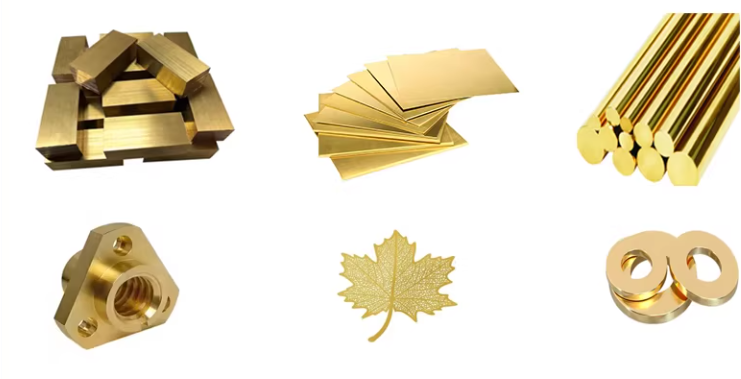
In the machinery manufacturing field, H59 brass is an important structural material. Its good mechanical properties, excellent processing performance, and moderate cost make it an ideal choice for manufacturing various mechanical components. Typical applications include: gears, worm gears, bushings, washers, fasteners, valve parts, pump body components, etc. Under lubricated conditions, H59 brass has a low coefficient of friction when used with steel, with good wear resistance, making it suitable for manufacturing sliding bearings and liners. Furthermore, H59 brass does not generate sparks, making it suitable for manufacturing non-sparking tools in coal mines, petrochemical plants, and other explosion-proof required locations, such as brass hammers, brass shovels, brass wrenches, etc. These tools do not produce sparks upon impact or friction, effectively preventing explosion accidents.
The plumbing and sanitary ware industry is an important consumption area for H59 brass. Due to its excellent fresh water corrosion resistance and good casting performance, H59 brass is widely used to manufacture faucets, showers, angle valves, ball valves, pipe fittings, and other plumbing products. H59 brass faucets produced by gravity casting or low-pressure casting processes have dense microstructures, good sealing performance, and long service life. Compared with plastic faucets, brass faucets have better mechanical properties and a higher grade feel; compared with stainless steel faucets, brass faucets are easier to process and surface treat, allowing more diverse shape designs. In recent years, with the rise of the “lead-free” trend, the application of H59 brass in drinking water systems has been somewhat restricted, but it remains a cost-effective choice for non-drinking water systems.
The electronics and electrical field is also an important application direction for H59 brass. Although the electrical conductivity of H59 brass is not as good as pure copper, its higher strength, better elasticity, and superior processing performance make it widely used to manufacture various electrical connectors, terminal blocks, relay parts, switch components, and contact springs. In applications requiring certain electrical conductivity and good elasticity, H59 brass is often more suitable than pure copper. For example, in power plugs and sockets, the contact sleeves made of H59 brass can ensure both good electrical contact and sufficient clamping force. In low-voltage electrical apparatus such as circuit breakers and contactors, H59 brass is used to manufacture conductive parts and arc chamber components. Furthermore, H59 brass also has good electromagnetic shielding performance and can be used to manufacture shielding covers and gaskets for electronic equipment.
Surface Treatment Technologies
The surface treatment technologies for H59 brass are rich and varied, allowing different appearance effects and functional characteristics to be achieved according to application requirements. Polishing is the most basic surface treatment process, removing oxide layers and defects from the surface through mechanical or chemical methods to obtain a smooth and bright surface. Mechanical polishing uses polishing compounds and wheels of different grit sizes to achieve a mirror finish; chemical polishing involves immersing the workpiece in an acid solution to smooth the surface through chemical dissolution. Polished H59 brass presents a bright golden-yellow color with high decorative value. However, polished surfaces gradually oxidize and change color in the atmosphere, so they typically require protection through other surface treatment technologies.
Electroplating is one of the commonly used surface treatment technologies for H59 brass. By electrodepositing a metal coating on the surface of H59 brass, its corrosion resistance, wear resistance, or appearance can be improved. Common coatings include chromium plating, nickel plating, gold plating, silver plating, etc. Chromium plating provides a silver-white bright surface with high hardness and good wear resistance; nickel plating offers good corrosion resistance and solderability; gold and silver plating are used for high-end decoration and electronic products. Strict pre-treatment is required before electroplating, including degreasing, pickling, and activation steps, to ensure good adhesion between the coating and the substrate. H59 brass itself has good electroplating performance and can achieve dense and uniform coatings.
Chemical coloring is a surface treatment technology for creating rich colors. By forming colored compounds or films on the surface of H59 brass through chemical methods, various colors such as black, brown, green, and blue can be achieved. Antique bronze treatment is the most common chemical coloring process, forming an oxide film ranging from brown to black on the surface by controlling oxidation conditions, presenting an antique and elegant appearance. Chemically colored surfaces typically require sealing treatment to improve color stability and weather resistance. This treatment technology is widely used in fields such as artworks, antique furniture, decorative items, and commemorative coins. It is worth noting that chemically colored films are relatively thin with limited wear resistance and are not suitable for applications subject to mechanical friction.
Future Outlook of Brass H59
With the increasing emphasis on environmental protection and the promotion of sustainable development, the production processes and application fields of Brass H59 are undergoing changes. In the future, Brass H59 may find applications in more environmentally friendly products, such as energy-saving devices and low-emission automotive components, to meet the increasingly stringent environmental standards. Additionally, emerging technologies such as 3D printing and smart manufacturing may create new market opportunities.
Conclusion
Brass H59 is a copper alloy with multiple advantages, including excellent mechanical properties, corrosion resistance, and machinability, making it widely used across various industries. As technology advances and market demands evolve, Brass H59 will play a key role in more fields. In the future, with the rise of environmental protection standards and smart manufacturing, Brass H59 will usher in more opportunities.
CNC machining on demand
Start your project today. Get free DFM from professional engineer at ProtoTi.
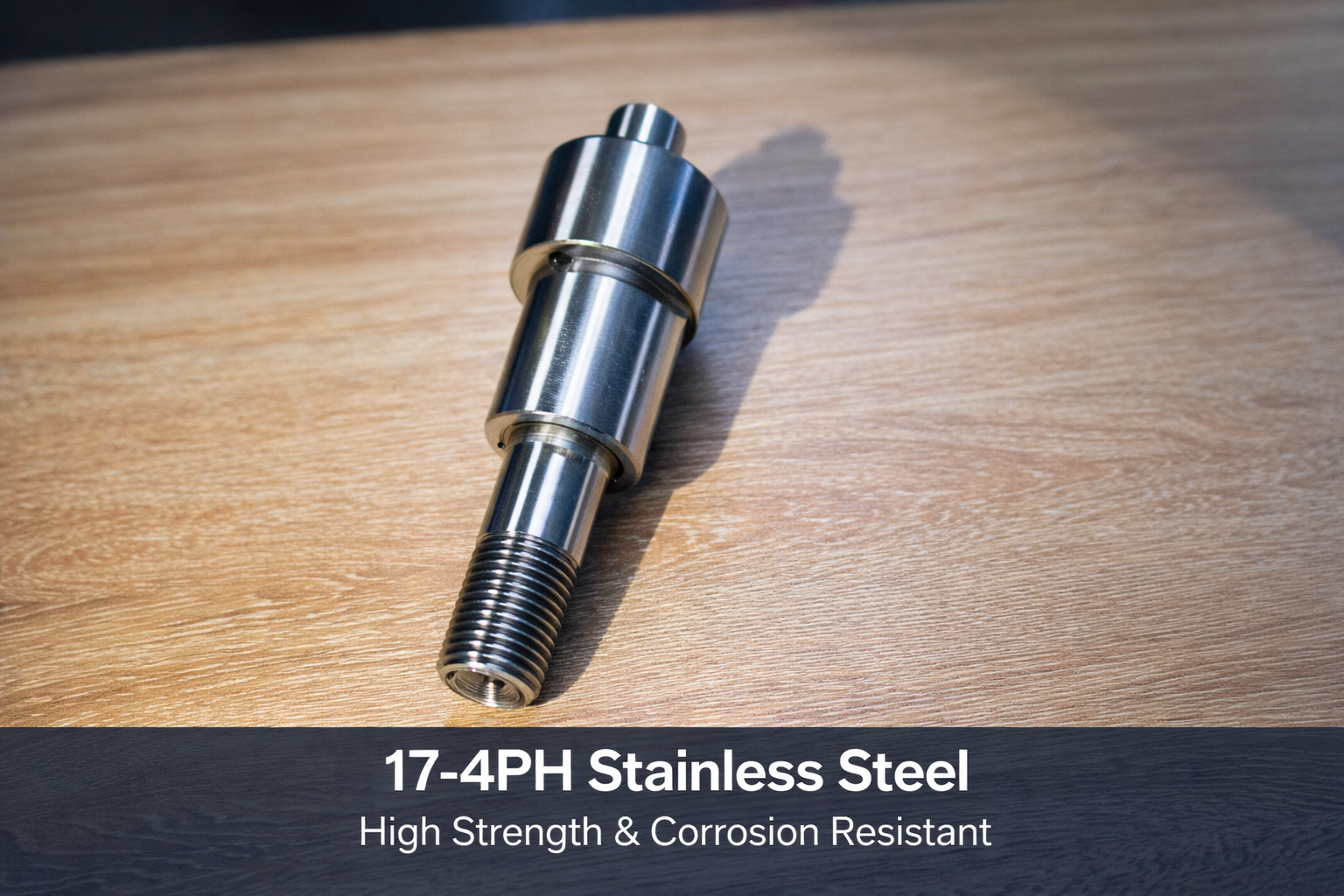
In today’s industrial manufacturing sector, the selection of materials directly determines the performance, lifespan, and cost-effectiveness of the final product. Among numerous high-performance metal materials, 17-4 Stainless Steel (also known as 17-4 PH) has become one of the preferred materials for the aerospace, medical device, petrochemical, and high-end mechanical manufacturing industries due to its unique precipitation hardening characteristics. As a martensitic precipitation hardening stainless steel, 17-4 not only possesses the inherent corrosion resistance of stainless steel but also achieves extremely high strength and hardness through heat treatment. This dual advantage allows it to maintain excellent stability even in extreme environments.