

TOwCmtFIEL(1)

BMW Group Converts Waste Into New Manufacturing Components

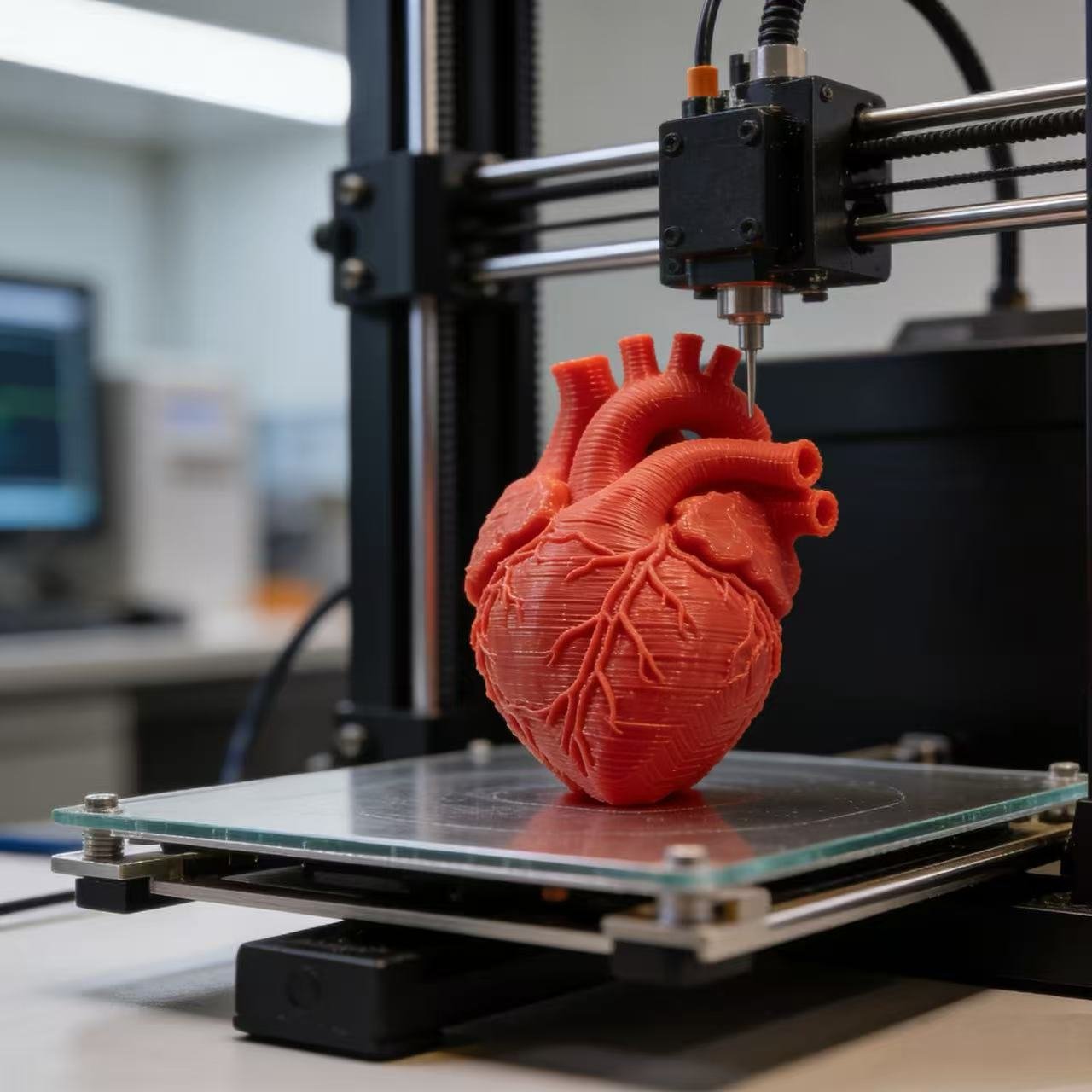
BMW Group has developed a recycling system that converts waste 3D printing powder and used parts into new filament for manufacturing production tools and components. The company processes up to 12 tonnes of waste powder annually at its Additive Manufacturing Campus in Oberschleißheim, creating recycled filament and granulate for use across its global production network. The recycled materials are used to produce auxiliary production devices, tools, and various manufacturing aids through Fused Filament Fabrication (FFF) and Fused Granulate Fabrication (FGF) technologies.

The recycling initiative began in 2018 with the “bottleUP” project, which initially focused on converting PET bottles into 3D printing material. By 2019, the company started using industrial waste to produce recycled filament on a pilot basis, and by 2021, BMW successfully printed its first holders and production devices using recycled materials. “I’ve been involved with this project from the very beginning and I’m thrilled to see how far we’ve come – from our initial ideas and attempts at startup level to now being able to produce large quantities of highly robust components from recycled filament at any BMW Group production location,” says Paul Victor Osswald, project manager for Predevelopment Non-Metals.

BMW’s Additive Manufacturing Campus serves as a center of competence, providing other production facilities with recycled filament, optimized printing parameters, and technical expertise. The Campus works with established 3D printing facilities at BMW plants to test suitable printers and develop validated parameter settings for recycled materials. This comprehensive package enables other locations to quickly achieve quality printing results while building local expertise through training programs.

Every BMW Group plant now operates 3D printers, producing several hundred thousand components annually for diverse applications. These include ergonomic solutions for workers, scratch protection, fitting aids, manufacturing equipment, gauges, templates, and specialized tools. Specific examples include components for chassis-body assembly at Plant Munich, support pedestals for motorcycle trim decoration in Berlin, and magnetic screw holders developed by employees at Plant Dingolfing to prevent parts loss during assembly.

*This article originally appeared on 3DPRINTING.COM.

Have parts to make? Get free instant quote today.

Share the Post:

Related Posts

Knowledge Base
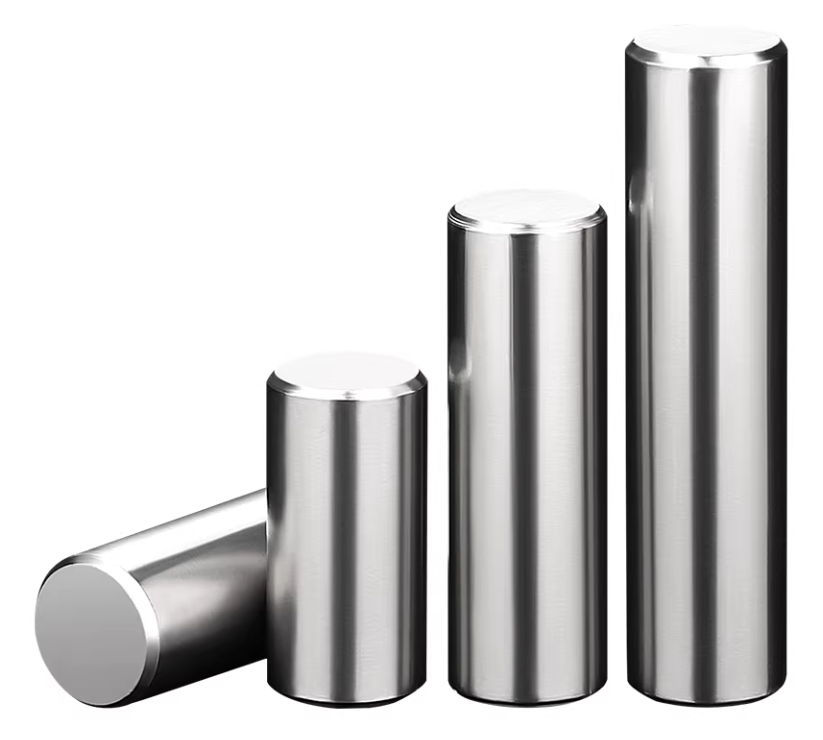
Stainless Steel 304: Comprehensive Analysis of Performance, Applications, and Selection Guide

Step into a modern kitchen, open a refrigerator, walk into an office building elevator, or observe medical equipment—in these seemingly different scenarios, one material silently underpins our lives: Stainless Steel 304. As the most common and widely used grade of austenitic stainless steel, SS304 has become an “invisible champion” in industrial manufacturing and daily life, thanks to its excellent corrosion resistance, good formability, and outstanding hygienic properties.
Since stainless steel was invented in the early 20th century, 304 stainless steel has evolved into the world’s most popular stainless steel variety, accounting for approximately 50% of the stainless steel market share. From aerospace to food processing, from architectural decoration to medical devices, this alloy occupies an irreplaceable position in modern materials science due to its unique combination of properties. This article will provide a comprehensive analysis of the chemical composition, mechanical properties, application fields, processing techniques, and selection guidelines for 304 stainless steel, offering a thorough reference for engineers, designers, purchasers, and general consumers.

Read More

Join our newsletter to stay updated

Scroll to Top