Why 3D Printing is the Future of Navy Maintenance and Cost Savings

MAYPORT, Fla. – The Southeast Regional Maintenance Center (SERMC) is harnessing the power of 3D printing to rapidly develop mission-critical components, delivering faster turnaround times and significant cost savings for the Fleet.

When a chilled water pump cooling rotor aboard an Arleigh Burke-class guided missile destroyer required replacement, SERMC engineers didn’t follow the traditional months-long procurement process. Instead, they turned to additive manufacturing.

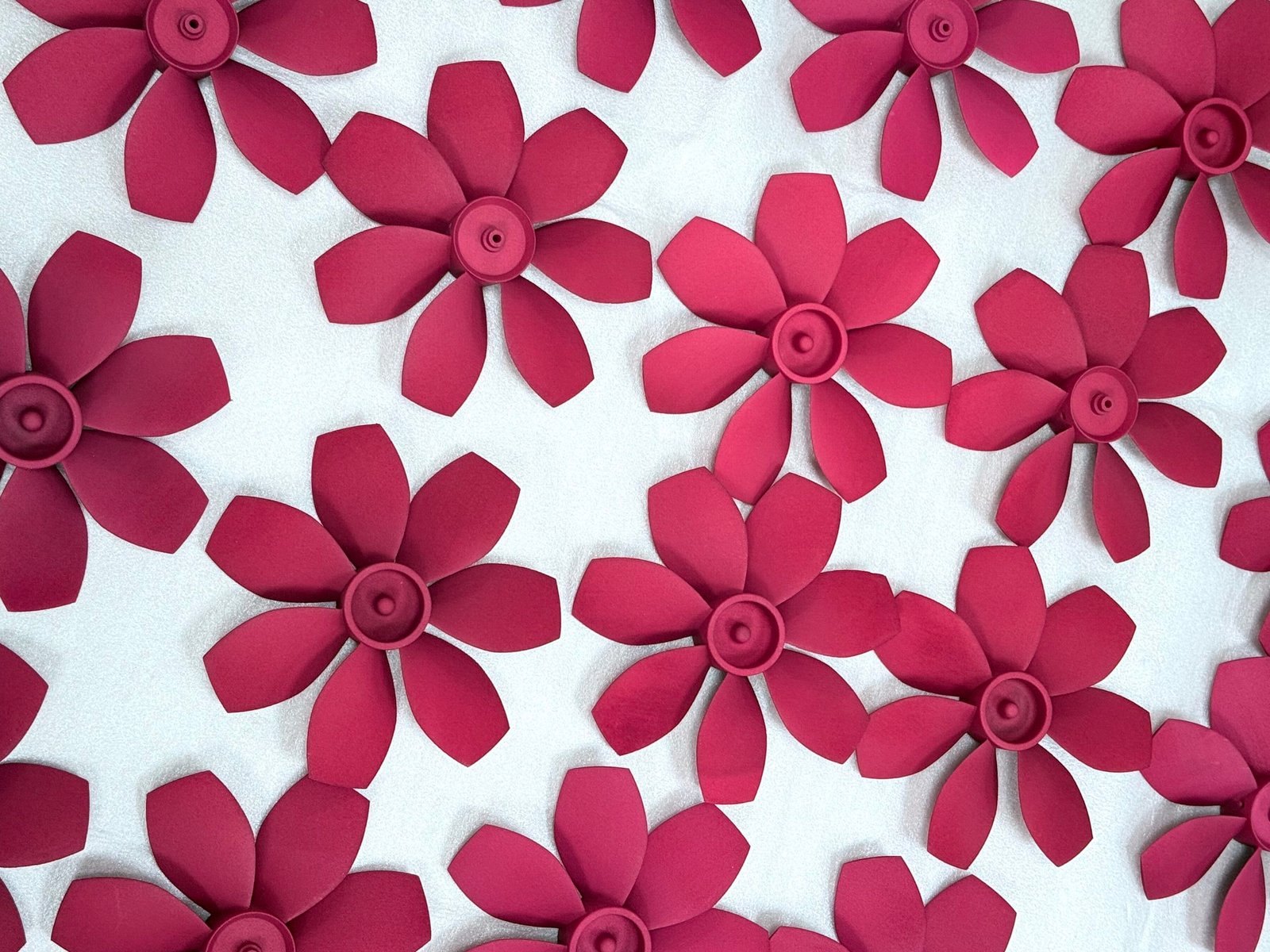
The six-blade rotor, which is unavailable for separate purchase through the Navy supply system, usually necessitates replacing the entire pump — a costly solution. In this case, however, the SERMC team developed four progressively refined prototypes within just two weeks, creating a final design ready for testing and installation.

Sailors at SERMC are always looking for new applications for 3D printing to expand our capabilities and save time, resources, and money,” said Capt. Kiah Rahming, SERMC commanding officer. “This effort is a testament to the ingenuity and drive of our team.

The project began by reverse engineering the original aluminum part and printing a low-cost polymer prototype for fitment checks. Working with Fleet Readiness Center Southeast (FRCSE) Detachment Mayport, the team then identified aerospace-grade thermoplastic as the ideal final material. Manufactured with an industrial 3D printer, the part demonstrated strength and heat resistance comparable to aluminum, but at a fraction of the weight and cost.

Following successful operational testing, the newly printed rotor was certified in-house and installed aboard ship.

The cost benefits were striking: each prototype blade cost just $17.63, while the final version cost $131.21. By contrast, a full motor replacement would have amounted to $316,544.16 — meaning SERMC’s innovation avoided more than $316,000 in expenses per blade.

Credit: SERMC

This manufacturing technique allows our Sailors to reassemble equipment with a superior product,” Rahming added. “Additive manufacturing is fundamentally changing how we think, how we do business, and how we support the warfighter.

Cooling pump rotors are vital across the Fleet, and this successful installation highlights the operational potential of additive manufacturing for the Navy. SERMC’s innovation program continues to expand, exploring 3D printing applications that support design, testing, training, and sustainment.

Source: navsea.navy.mil

Have parts to make? Get free instant quote today.

Share the Post:

Related Posts

Knowledge Base
17-4 Stainless Steel Comprehensive Guide: In-depth Analysis of Performance, Applications, and Processing Technology

In today’s industrial manufacturing sector, the selection of materials directly determines the performance, lifespan, and cost-effectiveness of the final product. Among numerous high-performance metal materials, 17-4 Stainless Steel (also known as 17-4 PH) has become one of the preferred materials for the aerospace, medical device, petrochemical, and high-end mechanical manufacturing industries due to its unique precipitation hardening characteristics. As a martensitic precipitation hardening stainless steel, 17-4 not only possesses the inherent corrosion resistance of stainless steel but also achieves extremely high strength and hardness through heat treatment. This dual advantage allows it to maintain excellent stability even in extreme environments.

Read More

Join our newsletter to stay updated

Scroll to Top