International womens day png background_6002282

MIT Engineers Develop Implantable Device for Emergency Diabetes Treatment

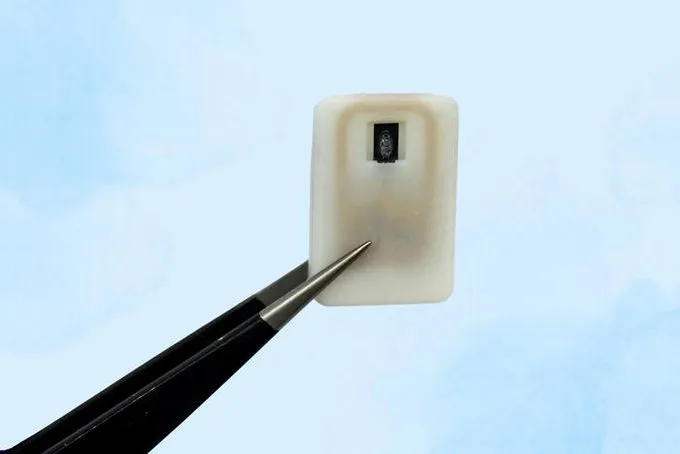
The device uses a nickel-titanium shape-memory alloy that changes from a flat slab to a U-shape when heated to 40 degrees Celsius. An antenna receives radiofrequency signals that trigger a small electrical current to heat the alloy, causing it to bend and release the drug contents. “This is a small, emergency-event device that can be placed under the skin, where it is ready to act if the patient’s blood sugar drops too low,” says Daniel Anderson, a professor in MIT’s Department of Chemical Engineering and senior author of the study.

In tests with diabetic mice, the device successfully reversed dropping blood sugar levels within 10 minutes of activation. The researchers also demonstrated the device’s ability to deliver epinephrine for treating heart attacks and severe allergic reactions. Blood sugar levels remained within normal ranges and prevented hypoglycemia during the study period.

The current version can store either one or four doses of glucagon and remained functional for up to four weeks in testing. The researchers plan to extend the device’s lifespan to at least one year and hope to begin clinical trials within three years. The device continued to work effectively even after fibrotic tissue formed around the implant, addressing a common challenge with implanted medical devices.

The research was funded by the Leona M. and Harry B. Helmsley Charitable Trust, the National Institutes of Health, a JDRF postdoctoral fellowship, and the National Institute of Biomedical Imaging and Bioengineering. The device could potentially interface with existing continuous glucose monitoring systems to provide automated emergency response for diabetes patients.

Have parts to make? Get free instant quote today.

*This article originally appeared on 3DPrinting.com. MIT is the original author of this piece.

Share the Post:

Related Posts

Knowledge Base
Stainless Steel 304: Comprehensive Analysis of Performance, Applications, and Selection Guide

Step into a modern kitchen, open a refrigerator, walk into an office building elevator, or observe medical equipment—in these seemingly different scenarios, one material silently underpins our lives: Stainless Steel 304. As the most common and widely used grade of austenitic stainless steel, SS304 has become an “invisible champion” in industrial manufacturing and daily life, thanks to its excellent corrosion resistance, good formability, and outstanding hygienic properties.
Since stainless steel was invented in the early 20th century, 304 stainless steel has evolved into the world’s most popular stainless steel variety, accounting for approximately 50% of the stainless steel market share. From aerospace to food processing, from architectural decoration to medical devices, this alloy occupies an irreplaceable position in modern materials science due to its unique combination of properties. This article will provide a comprehensive analysis of the chemical composition, mechanical properties, application fields, processing techniques, and selection guidelines for 304 stainless steel, offering a thorough reference for engineers, designers, purchasers, and general consumers.

Read More

Join our newsletter to stay updated

Scroll to Top