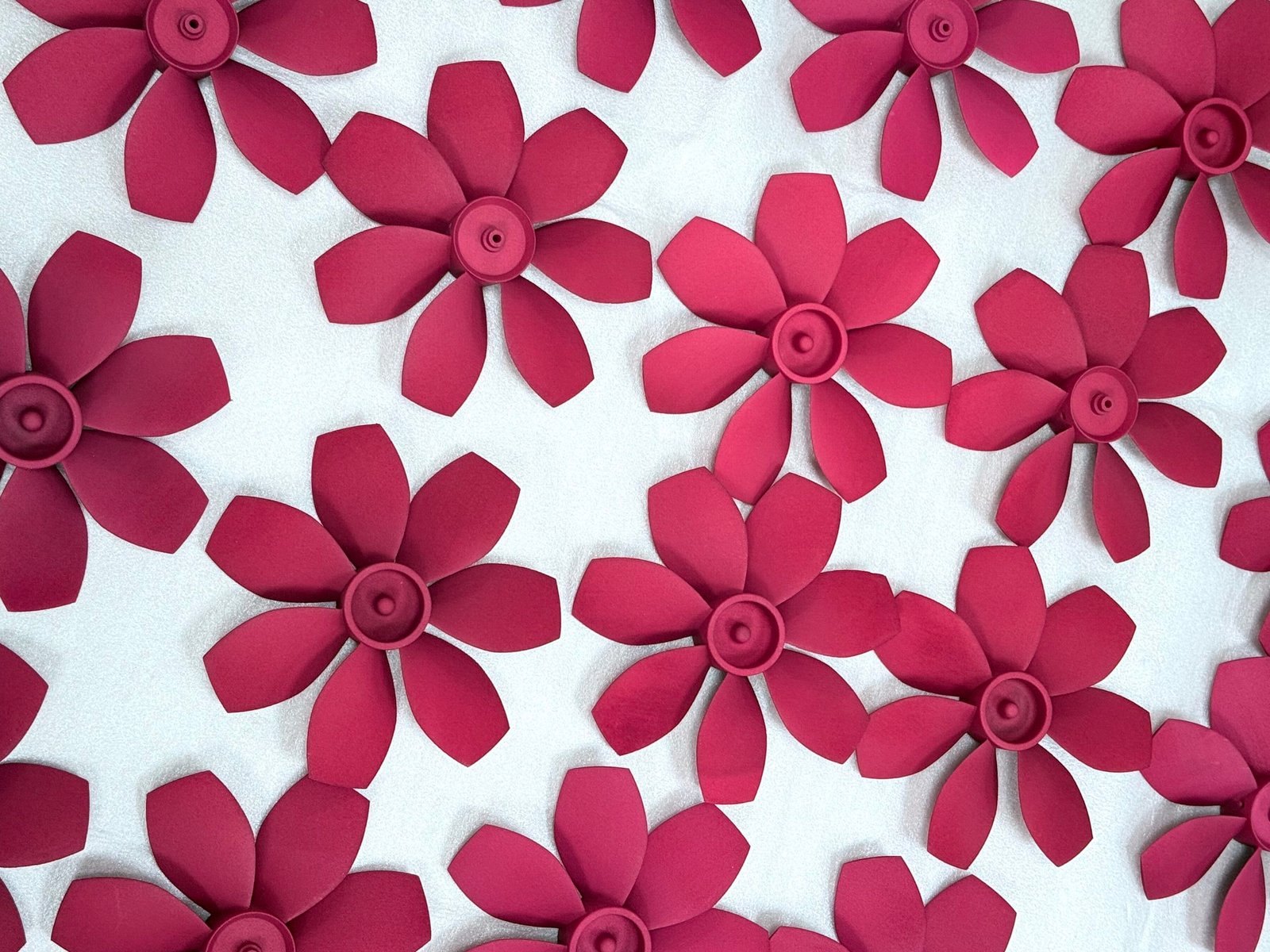
The recycling initiative began in 2018 with the “bottleUP” project, which initially focused on converting PET bottles into 3D printing material. By 2019, the company started using industrial waste to produce recycled filament on a pilot basis, and by 2021, BMW successfully printed its first holders and production devices using recycled materials. “I’ve been involved with this project from the very beginning and I’m thrilled to see how far we’ve come – from our initial ideas and attempts at startup level to now being able to produce large quantities of highly robust components from recycled filament at any BMW Group production location,” says Paul Victor Osswald, project manager for Predevelopment Non-Metals.
BMW’s Additive Manufacturing Campus serves as a center of competence, providing other production facilities with recycled filament, optimized printing parameters, and technical expertise. The Campus works with established 3D printing facilities at BMW plants to test suitable printers and develop validated parameter settings for recycled materials. This comprehensive package enables other locations to quickly achieve quality printing results while building local expertise through training programs.
Every BMW Group plant now operates 3D printers, producing several hundred thousand components annually for diverse applications. These include ergonomic solutions for workers, scratch protection, fitting aids, manufacturing equipment, gauges, templates, and specialized tools. Specific examples include components for chassis-body assembly at Plant Munich, support pedestals for motorcycle trim decoration in Berlin, and magnetic screw holders developed by employees at Plant Dingolfing to prevent parts loss during assembly.
*This article originally appeared on 3DPRINTING.COM.