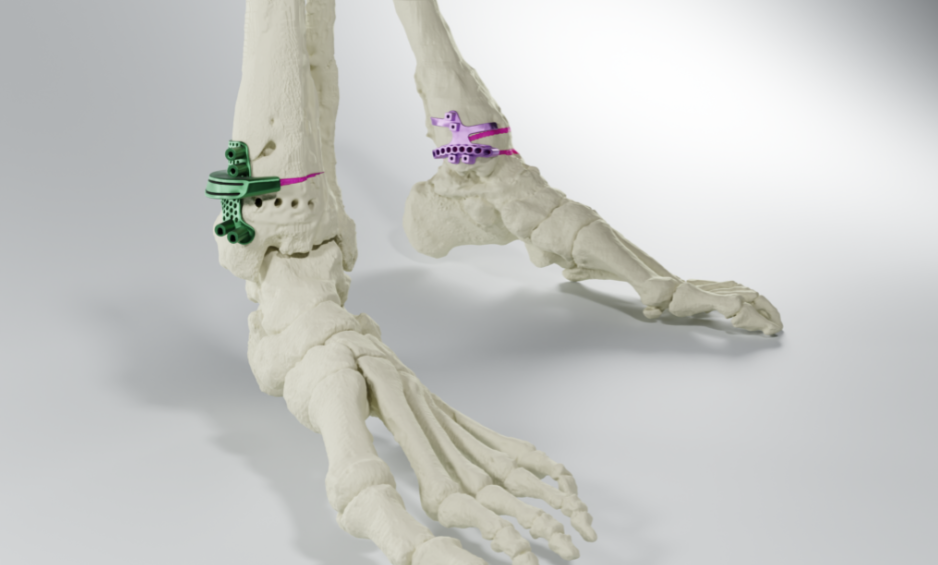
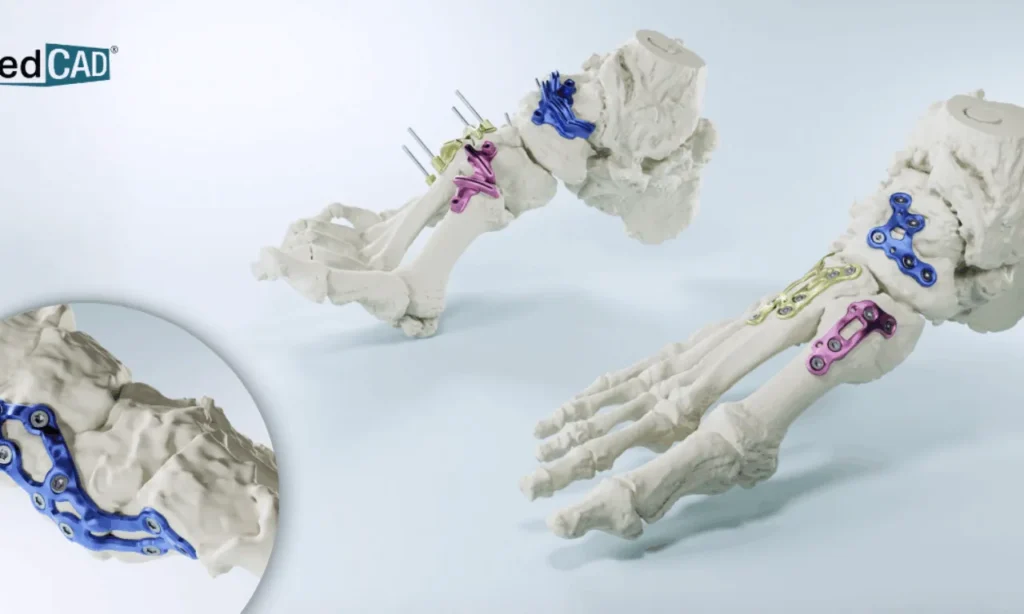
MedCAD has gotten FDA 510(k) clearance for the AccuStride lower leg tibia and fibula system. The patient-specific surgical planning and surgical guide tool can speed up the orthopedic surgeon’s workflows. Previously, the firm had gotten clearances for its fixation plates and guides. Now the company can offer a complete solution from CT scans to 3D printed guides for feet and ankles, as well as for the tibia and fibula.
MedCAD CEO Nancy Hairston explained,
“MedCAD’s newly announced, patient-matched surgical guides are unlike anything else available for surgeons who routinely perform complex or revision lower leg region cases. Interest from leading orthopedic specialists eager to use our solutions for multiple pathologies is very promising, and we expect these custom 3D printed devices to reduce the frequency and duration of surgeries and deliver high-quality, durable outcomes. The goal of MedCAD’s portfolio of patient-matched product solutions is to provide surgeons with customizable options that are as anatomically unique as their patients. MedCAD has been building a strong reputation by putting cutting-edge planning technology into surgeons’ hands so they can deliver life-changing outcomes for the people they heal. With AccuStride, we recognized that when one part of a lower leg is experiencing problems, significant issues can show up in other areas as well, and with our advanced, holistic approach, the outcomes are unmatched, and the possibilities are virtually endless.”

The company also offers vat-polymerized anatomical models, and all their parts are made in Texas, reaching US-based customers in about 5 days. The guides themselves are LPBF titanium. Additionally, the company has solutions for CMF, trauma, and cranial implants. A complete lower extremity solution will offer the same workflow to a group of hardworking people looking to save time and simplify their working lives. If they can be helped with their precision and work faster, surgeons can gain real, tangible benefits from these kinds of products.
We’ve seen Materialise really pioneer this market to great effect over the years. And the benefits can be enormous, not only in reducing errors but also, for example, in reducing surgeries by 3 hours. Depending on where you are, an Operating Room could cost $ 5,000 an hour. So, for the insurance system, hospitals, doctors, and patients, the payoff is immediate and real. The other things, fewer errors and more precision, are more difficult to measure, but just in saving time, this technology has a great ROI. More importantly, it offers a strong return on investment for all participants in the value chai
*This article originally appeared on 3DPRINT.COM. Joris Peels is the original author of this piece.