🚀 July 11 Update – Batch Edit, Re-Quote, Tiered Pricing & Notifications Are Here
Dear Valued Customer,
We've just released another major update with improvements across the Instant Quote, Cart, Checkout, Dashboard, and Order Management.
As we're continuously shipping new features, there may still be occasional bugs or unexpected issues. If you find anything that doesn't work as expected, please let us know—we truly appreciate your feedback and will fix it as quickly as possible.
🛠 Instant Quote
🏷 Material Tags added to help you choose the most suitable material. 📊 Tiered Pricing is now available. Instantly compare quantity discounts and select the best pricing option. ✏️ Batch Edit for multiple parts. Update configurations or delete multiple parts at once.
🛒 Cart
🔄 Re-Quote any part directly from your cart and continue editing before placing your order. 🛍 Mini Cart added to the header, allowing you to quickly view your cart from any page.
📦 Orders
♻️ Add to Quote and Add All to Quote are now available for existing orders. Reuse previous parts, make changes, and generate a new quote in just one click.
💳 Checkout
🌍 Customs & Shipping Options added.
Choose how you want customs declaration handled. Set your preferred Customs Value. Tell us your Expected Shipping Date.
🔔 Dashboard
🔔 Notifications keep you updated on order status and important activities. 📢 Announcements provide the latest ProtoTi news and product updates.
⚡ Performance & Improvements
We've also fixed and optimized numerous issues across:
Instant Quote
Checkout
Order Details
making the overall experience smoother and more reliable.
💬 Found a bug or have a feature request?
We're releasing new features rapidly, and your feedback helps us improve faster.
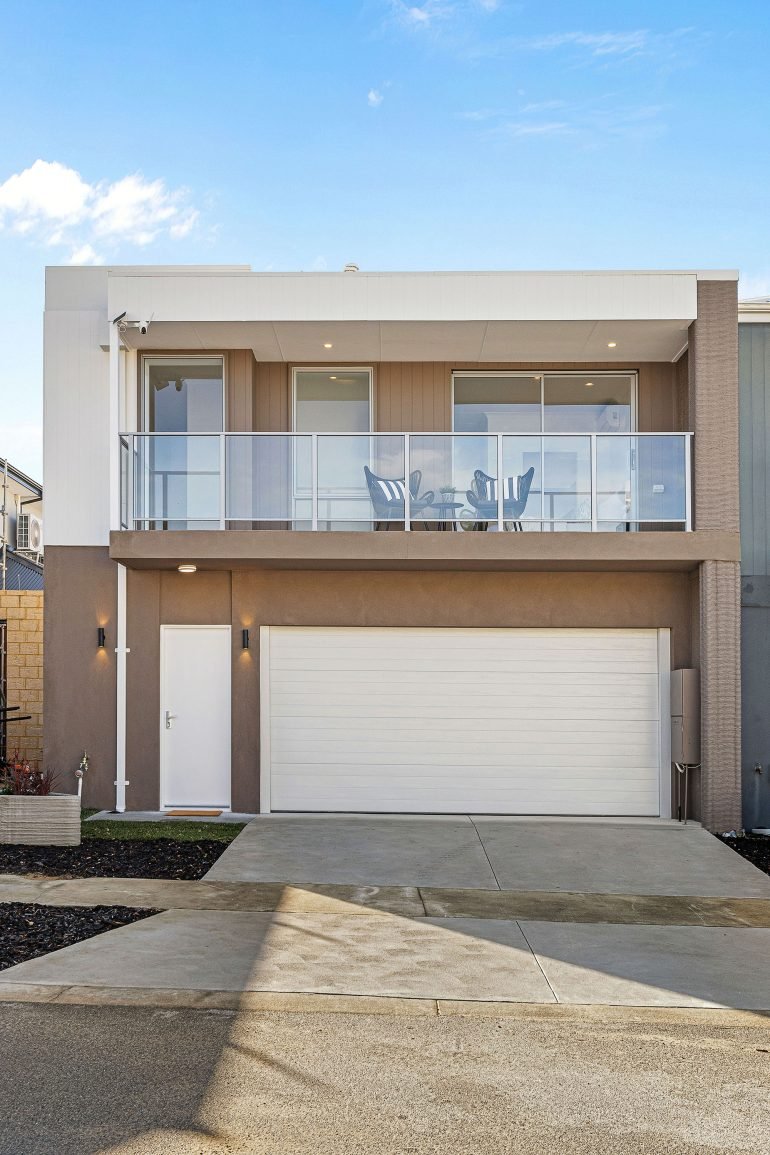
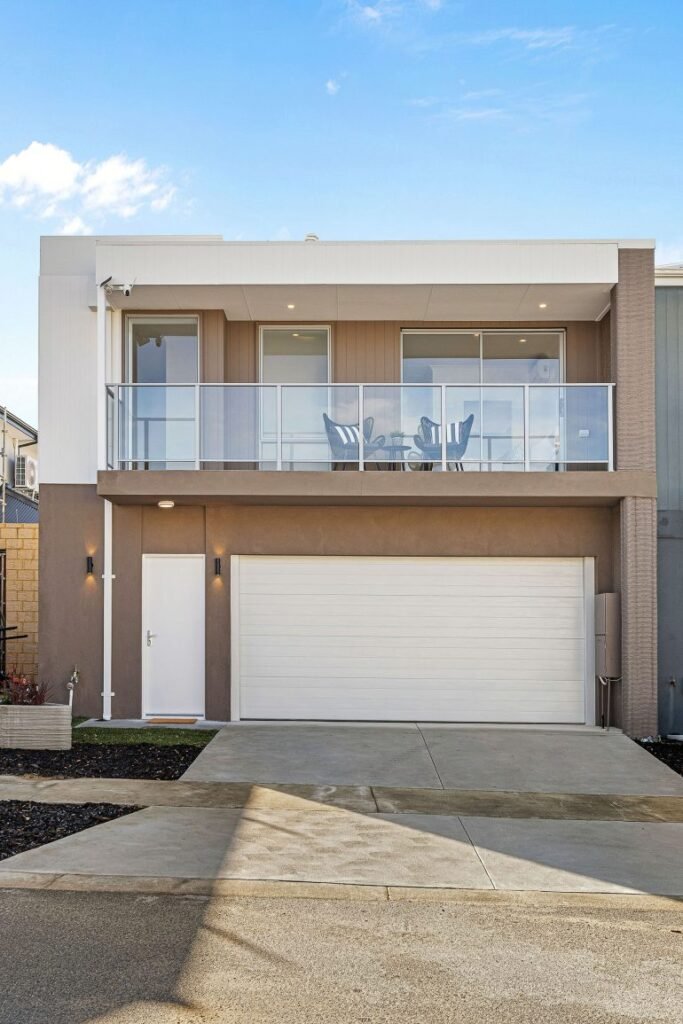
Western Australia recently saw the completion of the first multi-storey home constructed using 3D printed concrete in Perth. Developed by Contec Australia, a construction firm specializing in advanced 3D concrete printing technology, this project demonstrates the application of robotic 3D printing technology in residential construction, offering potential advantages such as lower labor demands, accelerated build schedules, and enhanced material efficiency.
“Meeting future housing demand will require more than traditional approaches alone. 3D concrete printing offers an innovative solution that complements existing methods, delivering projects with greater speed, cost efficiencies, sustainability, and design flexibility,” said Contec founder Mark D’Alessandro.
Multi-storey home constructed using 3D printed concrete. Photo via Contec Australia.
Contec’s 3D Concrete Printing Process in Western Australia
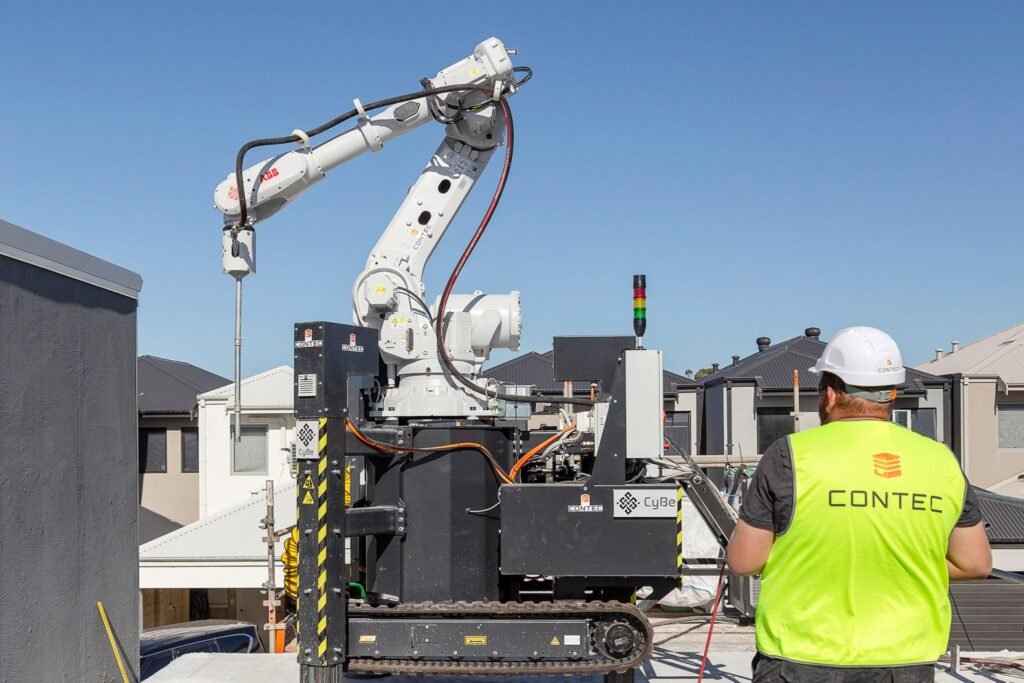
ontec, the state’s sole operational 3D concrete printing company, utilized mobile robotic equipment to fabricate the structural walls of a two-storey residence. Contec’s concrete mix is deposited layer by layer without relying on conventional formwork or scaffolding. The material sets quickly—within three minutes—and achieves a compressive strength of 50MPa, surpassing the typical 15MPa strength of standard bricks. The resulting walls meet cyclone resistance criteria and provide thermal insulation, termite protection, and fire and water resistance suitable for Western Australia’s varied climate.
The robotic printer automates much of the build, reducing manual labor and increasing precision. Compact and forklift-sized, the printer can operate both onsite and offsite with minimal setup, including in confined spaces. Printing speeds of up to 500mm per second contribute to reduced construction durations; for instance, the Tapping walls were printed within 18 hours and the complete construction finalized within five months.
3D printing process that uses a specialized concrete mix that is applied layer by layer. Photo via Contec Australia.
This approach removes the need for formwork, propping, and scaffolding, which can also lead to cost savings. It also allows architectural elements such as curves, columns, and intricate patterns to be integrated during printing without added expense. Openings and conduits are embedded as part of the printing process, minimizing subsequent modifications. Environmentally, the concrete mix lowers CO₂ emissions by approximately 30% compared to traditional concrete, while generating less waste—about one wheelbarrow per project.
Beyond environmental gains, the method may improve site safety by limiting manual handling and transport requirements. Additionally, since the walls are printed directly on-site rather than manufactured off-site like in modular construction, the process fits more easily into traditional construction financing models—avoiding the logistical and regulatory complications that often arise with modular builds.
3D Printing in Construction: Advancing Speed, Affordability, and Sustainability
This month, Singaporean architecture firm Park + Associates, in collaboration with CES_InnovFab—a developer specializing in large-scale 3D printed construction— completed QR3D, the country’s first multi-storey 3D printed residential building. Conceived as the personal residence of Park + Associates’ founder, Lim Koon Park, the project serves as a full-scale prototype to evaluate the potential of additive manufacturing (AM) in residential architecture.
In 2024, Sustainable Concrete Innovations (SCI), an Ohio-based construction firm, implemented 3D concrete printing technology for residential building projects. Leveraging advanced machinery supplied by Dutch company CyBe Construction, SCI set out to create homes that are faster to build, more cost-effective, and environmentally sustainable.
By integrating 3D printed wall elements into conventional construction workflows, SCI has achieved significant reductions in both labor and material costs. This method not only shortens project timelines but also drastically minimizes material waste, aligning with broader sustainability objectives by reducing the environmental impact of construction activities.