Introducing the characteristics of 3D printing materials for dragons in Indonesia

Nylon offers a unique combination of strength, flexibility, and durability. It absorbs moisture more than other plastics, which makes it easier to dye or paint. This material is commonly used in mechanical components like zip ties, gears, screws, and nuts.

🌟Content in this article

Printing Technologies Compatible with Nylon

Common Nylon Types

  • Nylon 11 (PA 11) – It has the characteristics of high strength, corrosion resistance, good toughness, high tensile strength, low water absorption, oil resistance, wear resistance, acid and alkali resistance, good dimensional stability and excellent low-temperature resistance.
  • Nylon 12 (PA 12) – Lower melting point and high fatigue strength. Perfect for snap-fit designs
  • Nylon 6 – High strength and flexibility; ideal for FDM prints needing toughness and impact resistance.

Nylon Composites

To meet even more specific needs, nylon is often blended with other materials:

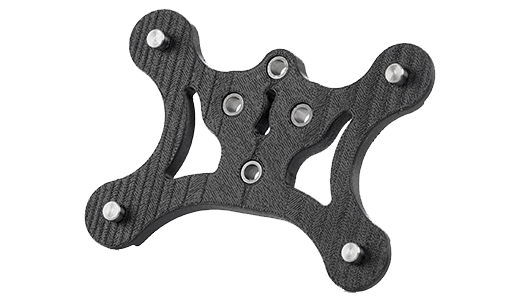
  • Carbon-Fiber NylonLightweight and stiff, used for tools and functional prototypes.
  • Glass-Fiber Nylon – High stiffness and heat resistance, ideal for static load applications.
  • Aluminum-Filled Nylon – Metallic finish with improved strength, good for demo models and automotive parts.
  • Flame-Retardant Nylon – Safe for aviation and commercial use, passes FST standards.
  • Mineral-Filled Nylon (HST) – High precision and heat resistance, used in load-bearing applications.

Final Thoughts

Nylon is quickly becoming a go-to material in industrial, automotive, aerospace, and consumer product manufacturing. Its compatibility with various printing methods and ability to form composite blends make it a powerful choice for anyone looking to push the limits of 3D printing.

Have parts to make? Get free instant quote today.

Share the Post:

Related Posts

Knowledge Base
Protecting mechanical processing parts with “armor”: Comprehensive analysis of galvanizing surface treatment process, advantages and disadvantages, and application selection

Abstract: In the field of mechanical manufacturing, the durability of parts directly determines the lifespan and reliability of the products. Galvanization, as a classic, efficient, and cost-effective metal surface treatment process, provides excellent rust and corrosion protection for steel parts. This article will deeply explore all aspects of galvanizing for mechanical processing parts, including its core principles, detailed comparisons of various processes (electro-galvanizing, hot-dip galvanizing, mechanical galvanizing, etc.), the protective mechanism of the galvanized layer, advantages and disadvantages analysis, subsequent treatments (such as passivation, phosphating), quality inspection standards, and how to select the most suitable galvanizing process based on the characteristics of your parts, helping you equip precision-machined parts with the strongest “armor”.

Read More
Knowledge Base
Complete Guide to Part Polishing: From Process Principles to Application Effects, Comprehensive Analysis of CNC Metal Polishing Technology

In the field of precision manufacturing, part polishing is a crucial step that determines the performance, lifespan, and appearance of products. Whether it is the core components of automotive engines, the precise components of medical devices, or the micro parts of electronic equipment, after professional polishing treatment, not only can the surface smoothness be improved, the friction loss be reduced, but also the corrosion resistance be enhanced, laying a solid foundation for subsequent assembly and use. This article will start from the basic understanding of part polishing, deeply analyze the mainstream polishing processes, material adaptation schemes, common problem solutions, equipment selection techniques, and industry development trends, providing comprehensive and practical reference guidelines for manufacturing enterprises, technicians, and procurement professionals.

Read More

Join our newsletter to stay updated

Scroll to Top