🚀 July 11 Update – Batch Edit, Re-Quote, Tiered Pricing & Notifications Are Here
Dear Valued Customer,
We've just released another major update with improvements across the Instant Quote, Cart, Checkout, Dashboard, and Order Management.
As we're continuously shipping new features, there may still be occasional bugs or unexpected issues. If you find anything that doesn't work as expected, please let us know—we truly appreciate your feedback and will fix it as quickly as possible.
🛠 Instant Quote
🏷 Material Tags added to help you choose the most suitable material. 📊 Tiered Pricing is now available. Instantly compare quantity discounts and select the best pricing option. ✏️ Batch Edit for multiple parts. Update configurations or delete multiple parts at once.
🛒 Cart
🔄 Re-Quote any part directly from your cart and continue editing before placing your order. 🛍 Mini Cart added to the header, allowing you to quickly view your cart from any page.
📦 Orders
♻️ Add to Quote and Add All to Quote are now available for existing orders. Reuse previous parts, make changes, and generate a new quote in just one click.
💳 Checkout
🌍 Customs & Shipping Options added.
Choose how you want customs declaration handled. Set your preferred Customs Value. Tell us your Expected Shipping Date.
🔔 Dashboard
🔔 Notifications keep you updated on order status and important activities. 📢 Announcements provide the latest ProtoTi news and product updates.
⚡ Performance & Improvements
We've also fixed and optimized numerous issues across:
Instant Quote
Checkout
Order Details
making the overall experience smoother and more reliable.
💬 Found a bug or have a feature request?
We're releasing new features rapidly, and your feedback helps us improve faster.
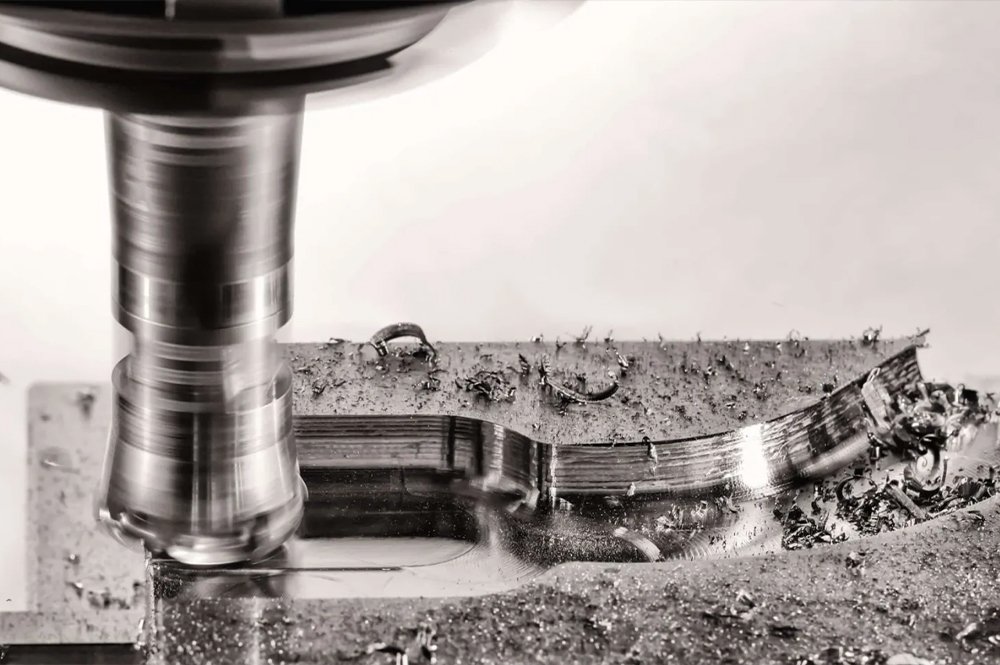
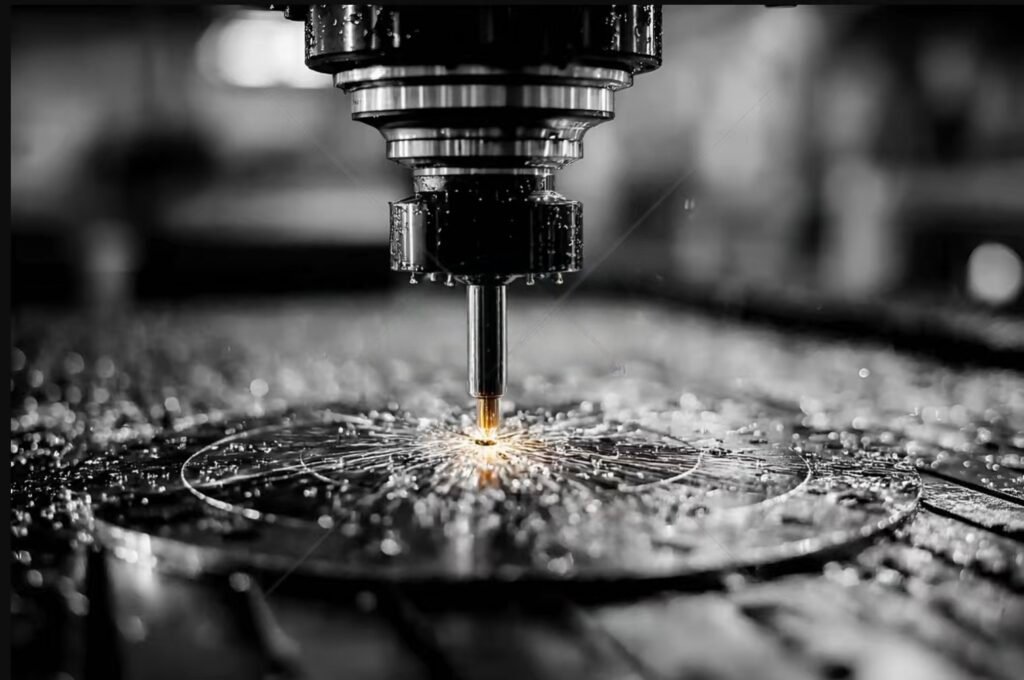
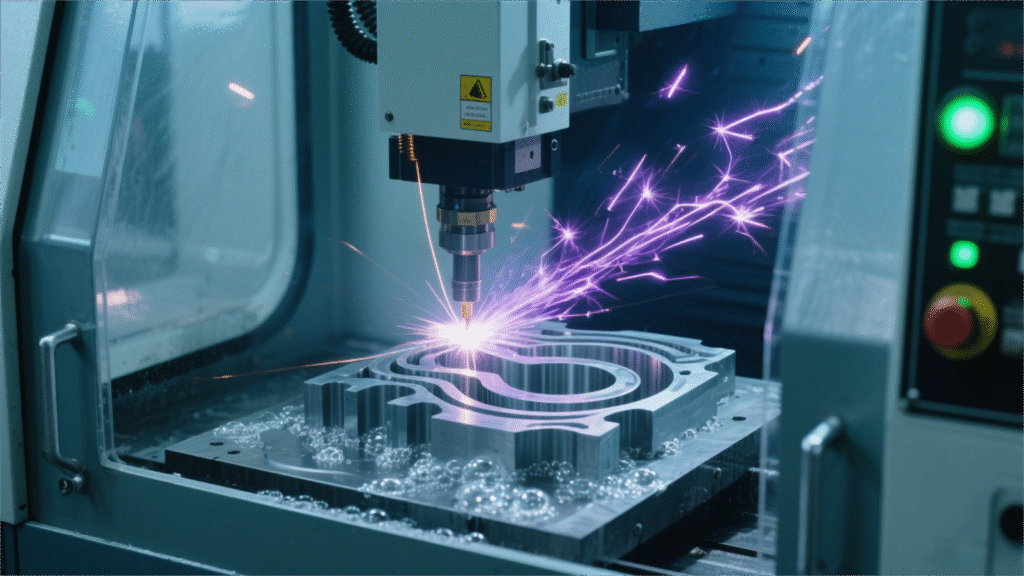
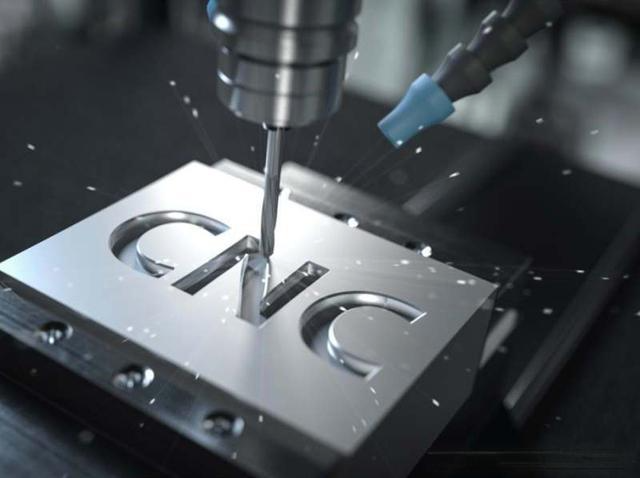
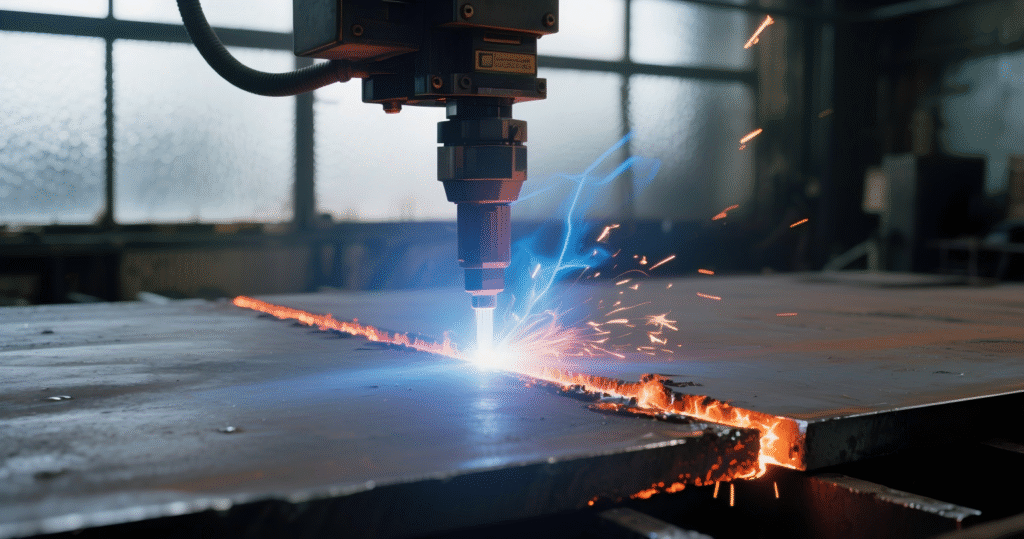
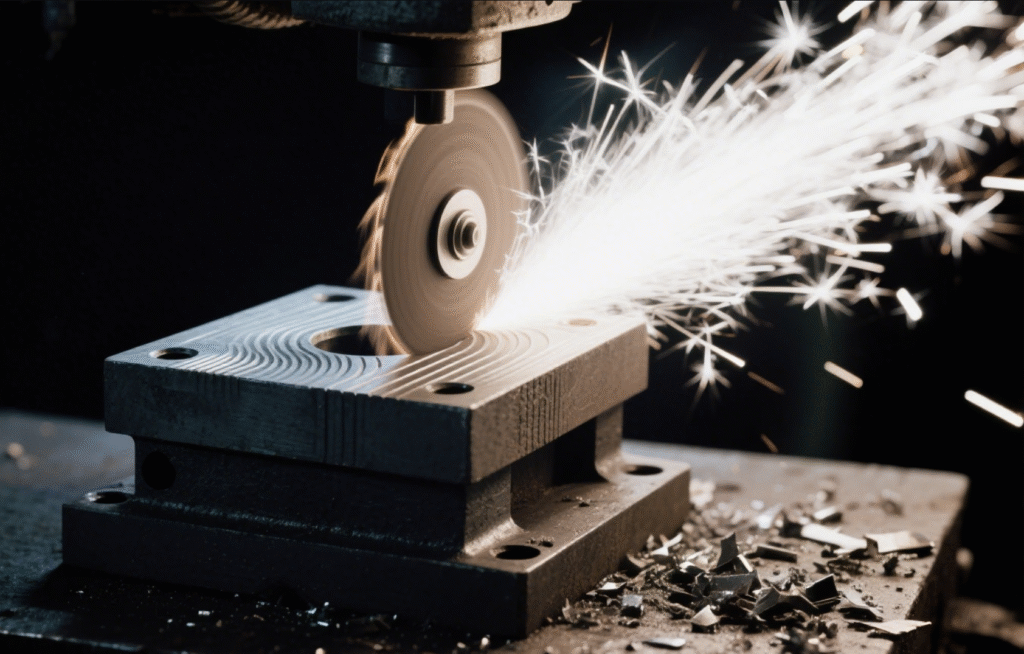
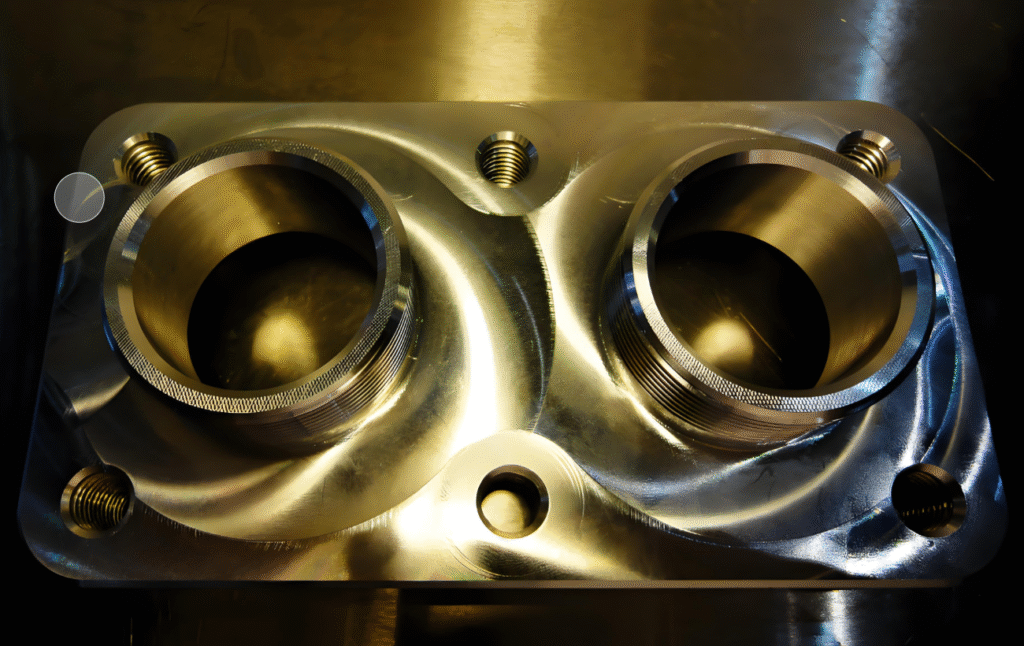
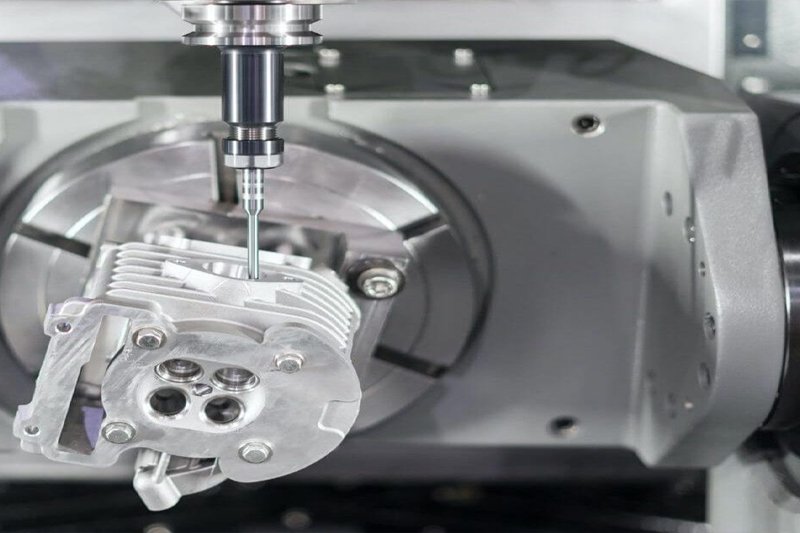
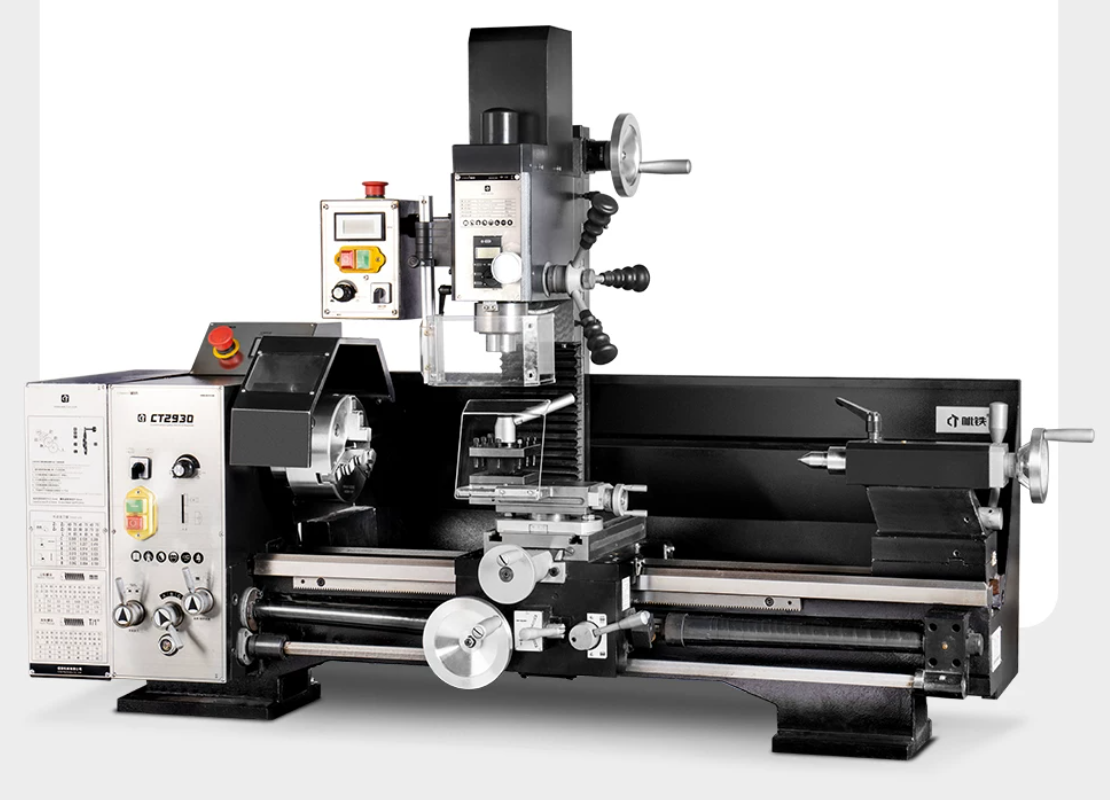
A CNC (Computer Numerical Control) mill is an automated cutting machine that uses a rotating spindle to precisely remove material from a workpiece. These machines come in various sizes and axis configurations (3-axis, 4-axis, or 5-axis) and are capable of machining materials ranging from plastics and aluminum to tough metals like stainless steel and titanium.
How CNC Milling Works
CNC mills excel at profile cutting harder materials. Like all CNC machines, a CNC mill is controlled with G-Code created through CAM software. The Gg-Code instructs the machine where to move the tool head, how fast to spin the tool, how deep to cut, how to move the workpiece, and other factors relating to speed, feed rate, and coordination. The G-Code complexity depends on how many axes the milling machine has.
Types of CNC Milling Processes
Different milling techniques are used depending on the part’s complexity:
Face Milling– Flattens the surface of a workpiece.Plain Milling-Cuts along the workpiece’s length.AngulFace Milling- Flattens the surface of a workpiece. Plain Milling-Cuts along the workpiece’s length. Angular Milling-Creates angled cuts. Form Milling-Produces irregular contours (e.g., gears). Profile Milling-Follows a predefined path to cut complex shapes
Types of CNC Mills
3-Axis CNC Mills
The most widely used type of CNC milling machine. The full use of the X, Y, and Z directions makes a 3 Axis CNC mill useful for a wide variety of work.
4-Axis CNC Mills
This type of router allows the machine to rotate on a vertical axis, moving the workpiece to introduce more continuous machining.
5-Axis CNC
Mills
These machines have three traditional axes as well as two additional rotary axes. A 5-axis CNC router is, therefore, able to machine 5 sides of a workpiece at in one machine without having to remove the workpiece and reset. The workpiece rotates, and the spindle head is able to also move around the piece. These are larger and more expensive.
Advantages of CNC Milling
✅High Precision – Tolerances as tight as ±0.001 inches. ✅ Repeatability – Identical parts can be mass-produced. ✅Versatility– Works with metals, plastics, wood, and composites. ✅ Automation – Reduces manual labor and errors. ✅ ComplexGeometries – Can produce intricate designs that manual milling can’t.
CNC milling is a powerful, precise, and efficient manufacturing process that transforms raw materials into finished parts. Whether for prototyping or mass production, it offers speed, accuracy, and flexibility unmatched by manual methods.
Looking for CNC milling services? Contact Prototi who can deliver high-quality machined parts tailored to your needs!
CNC machining on demand
Start your project today. Get free DFM from professional engineer at ProtoTi.